taghmeeseh into humanity تغميسة بالإنسانية

11009980_657796477680835_292638677983133118_n

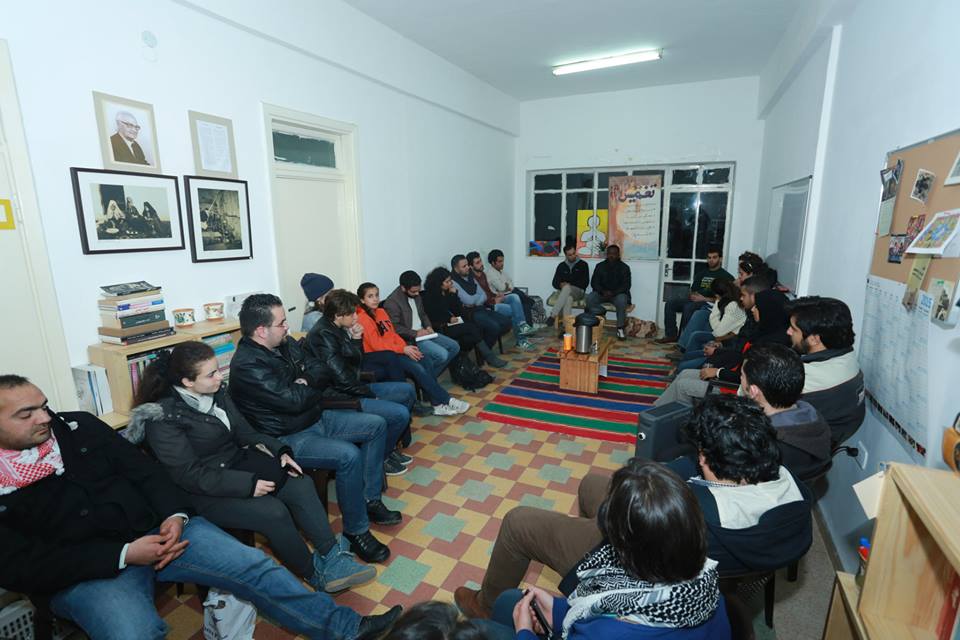
في آخر تغميسة لنا بالإنسانية أردنا أن نتوقف لبعض الوقت لنفكر بمعناها وبتجارب عشناها حرّكت شيء بداخلنا. في هذه الفسحة الفكرية بدأنا بوقفة صمت نعبر فيها عن حزننا لأشكال القهر والعنف المختلفة التي نراها بالعالم وعن إنسانيتنا الضائعة.

هذه الجلسة كانت طريقنا لنتحدث عن أشكال الظلم التي نراها كل يوم، القريبة منا والبعيدة، ولكن مع أسلوب الحياة السريع الذي نعيش لم نَعُد نحرك ساكناً وأصبح كل شيء “عادي”، وأصبحنا نقيس إنسانيتنا بعدد الذين يموتون أوعندما يُدق أقرب باب ليشعرنا بالخطر.

بدأنا بسؤال ما هي الإنسانية وكيف يمكن لكل شخص أن يعرّفها؟ كان من الصعب أن نجد تعريفاً لهذه الكلمة المرتبطة بكينونتنا. تساءلنا عن سبب إرتباط الكلمة بشكل مباشر بالمآسي والكوارث الإنسانية التي نسببها لبعضنا البعض، ولماذا تختفي بإختفاء الُمسبب.

ذكرنا بأن الإنسانية محاولة لتهذيب الإنسان وبأنها شيء من الصعب أن يقاس، نولد معها وتشكل ما بداخلنا، وهي أكبر من أن نضعها بقالب واحد وتذهب بنا إلى تساؤلات أكثر من إجابات.

وخرجنا بمجموعة من الأسئلة، ماذا لغى إنسانيتنا؟ ما هو الإنسان؟ وهل تعريف الإنسانية مربوط بألم الآخر؟ ما هو دور الإعلام بتعظيم أمور مرتبطة بالإنسانية؟ وما هي المعايير التي تجعلنا نتعاطف مع قضية دون الأخرى؟

قد نكون إنسانيين برؤيتنا لأبسط وأجمل وأصغر الأمور، عندما تتفتح الزهرة وتثمر الشجرة وعندما نحب الخير للآخرين وبأبتسامة نراها على وجه من يُحب ونُحب. من الممكن أننا نحرم أنفسنا من الإحتفال بجمال أبسط الأمور ولكن كلما أجلّناها كلما أصبحت إنسانيتنا بعيدة عنا أكثر وأكثر، نعيشها للحظات آنية وبطريقة فوقية لتعظم “الأنا” التي بداخلنا بدلاً من أن تهذبها.

كل الشكر لطمي للتنمية الشبابية على الإستضافة ولكل من كان معنا من الأهالي الجدد والقدامى.

Our latest taghmeeseh into humanity was a mixture of the bittersweet, as it allowed us to celebrate the best in us as human beings, as well as reminding us of the worst.  Living in times of war without end and profit before people, it is no wonder that our humanity poses a difficult question.

What is the measure of our humanity?  How can we retain our humanity when people are more often being reduced to mere numbers?  How can our humanity survive all the suffering in the world?  What aspects of our humanity can we celebrate?

Our thanks to Tammey for Youth Development for opening your doors to us and to all ahel taghmees who were able to join us for this thought-provoking and emotional engagement.
لمشاهدة المزيد من الصور For more pictures

taghmeeseh into stereotypes تغميسة بالتنميط

1525237_623330221127461_1829930268369816023_n

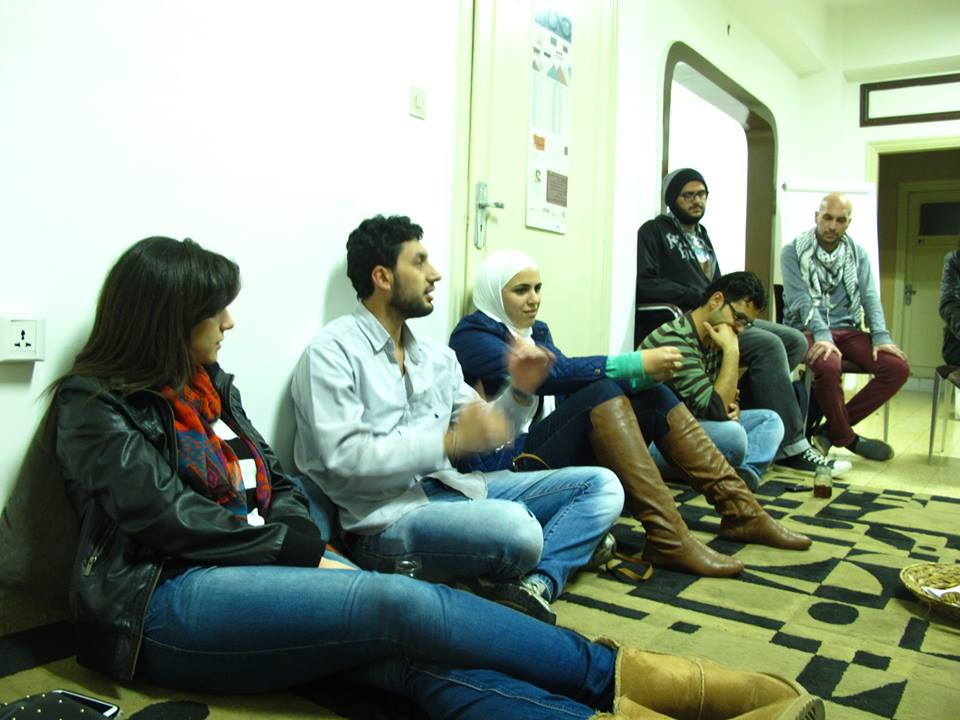
ما هي المعايير التي تسيطر على شكل حياتنا؟ ومن يضع هذه المعايير؟ وهل هناك مقياس واحد يوحد الناس والأفكار؟ وكيفتحدث عمليات التنميط؟ وبناء على ماذا تحدد أشكال السلوك النمطية؟

تغميستنا بالتنميط كانت من أجمل الطرق لنقول وداعا لعام ٢٠١٤، الإيام غير مقسمة بأرقام، نطوي صفحة لنفتح أخرى ولكن كل الصفحات مترابطة نؤلف من خلالها قصة حياتنا لنتعلم من كل تجربة وحكاية. في مكتب أهل جلسنا جميعا كأهل لننغمس بموضوع التنميط، ونفهم أكثر ما أشكاله وكيف نمارسه وكيف يمارس علينا من خلال قصصنا.

غصنا في معنى كلمة تنميط، من يسفيد من  ممارسات التنميط وعلى حساب من؟ ولماذا ننمط؟ من أين تأتي الصورة النمطية؟ كيف تختلف الأحكام عن الأفكار النمطية؟ ما علاقة الوعي بالتمنيط؟ وهل نكون واعيين عندما ننمط؟ هل من الممكن ان نتوقف عن التنميط؟

كل شخص أخذ جزء من المعرفة التي إنغمسنا بها، ومن الجميل أن نتمهل في ظل الحياة التي نعيشها ونفكر بالريقة الت ننظر ونتعامل بها مع بعض.

كل الشكر لكل من كان معنا من الأهالي القدامى والجدد، وشكرا أهل على الإستضافة.

وكل تغميسة ونحن بخير 🙂

What are the standards that control our lives? Who places these measures? Is there only one standard measure that can be applied to us all? On what basis are they decided?

These are some of the questions that we immersed ourselves in during yesterday’s taghmeeseh into stereotypes. Our stories were the main source of our exploration, using our lives to struggle through the term, our interpretation of it, and its implications on our behaviours, actions, and reactions. Stories lead to more questions: Do we represent the ‘groups’ we come from? Can we generalise and associate any idea/characteristic to all people in any specific ‘group’? Do we apply stereotypes without realising it? How can I know what stereotypes I’m carrying around? How different are stereotypes from judgements? Who do stereotypes generally serve? How do they play a role in marginalising different people?

Our thanks for all who joined us, and to Ahel for opening up their space to ahel taghmees. Your work and hospitality are much appreciated!

More photos لمشاهدة المزيد من الصور

education for what?

wrong side of capitalism

I’m wary of the term “education”, because of the historic use of education to enslave populations through systematic indoctrination. Education has been used strategically in the colonization of our minds as a means of erasing our identities and loosening traditional ties, and allowing us to accept the destruction of our social and ecological fabric.

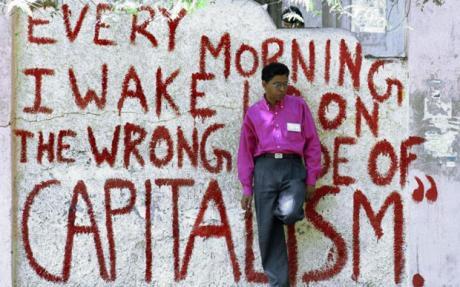
Education still separates us economically, as knowledge becomes capitalized through the privatization of education. So only those who can afford high tuitions can access a private education, which then provides access to employment and greater material wealth.  But this access is limited to the wealthy or those who are allowed access to debt, which they spend the beginning of their lives (or the rest of it) paying off.

All the while, less resources are being allocated to public education, denying those on the bottom the means to struggle against their enslavement.  While also denying us traditional sources of knowledge, resources, crafts, and sustainable lifestyles. The cycle is vicious, and it is for us to learn how to use our minds beyond our education to find sustainable solutions for the pains of our world, outside of exclusion and limited access. This is a part of what shaped our thinking in the creation of taghmees, focusing on spreading shared learning outside of the boundaries of “education”.  Learning is all about heart:) and using your heart to understand the world outside of our normal frameworks.  Thank you for the space and opportunity to reflect.

encyclopedia of informal education

The encyclopedia of informal education, a great resource for exploring informal education, lifelong learning, social pedagogy and social action.  A great resource self-learners, educators, and critical thinkers.

http://www.infed.org/index.htm