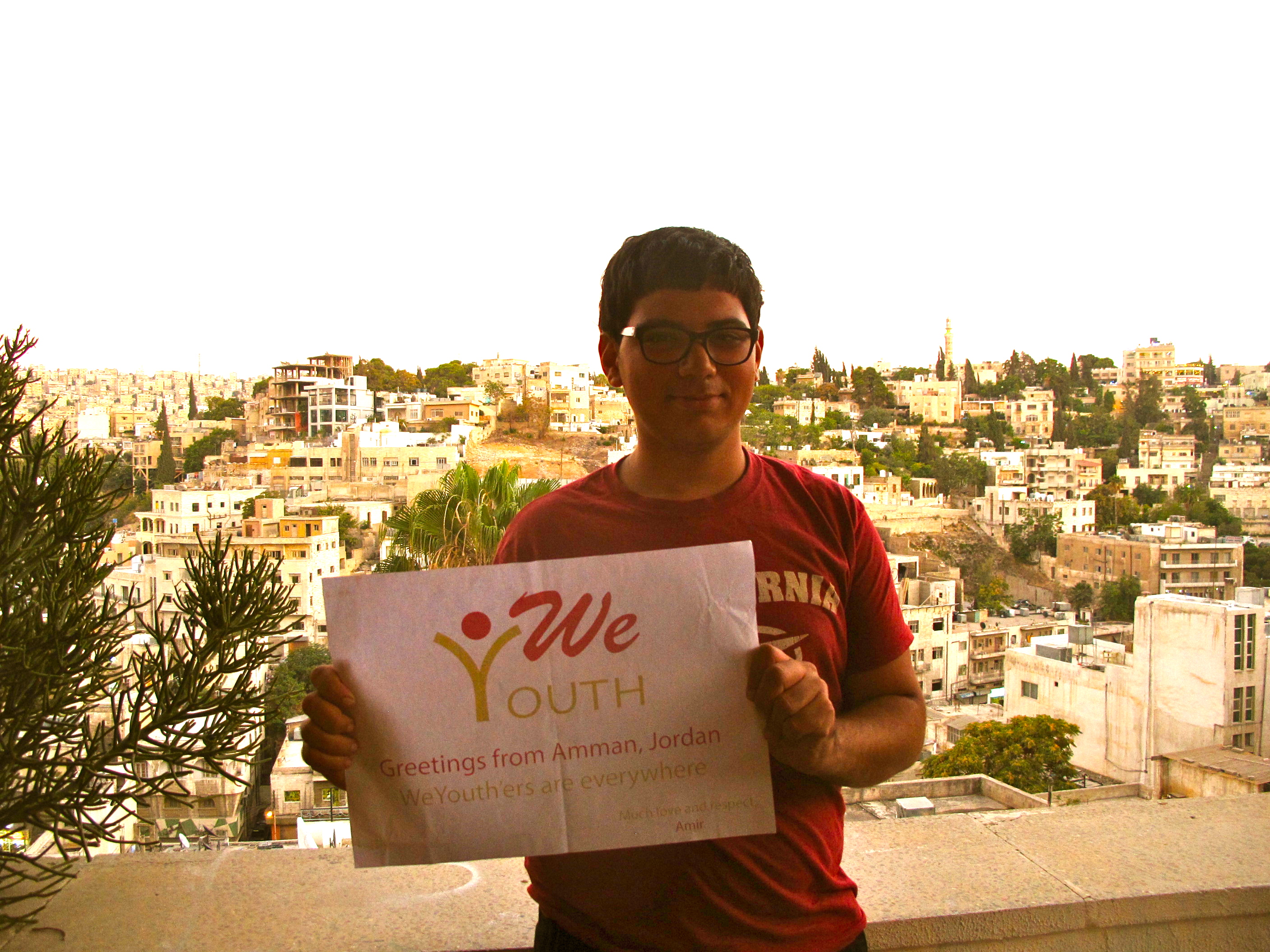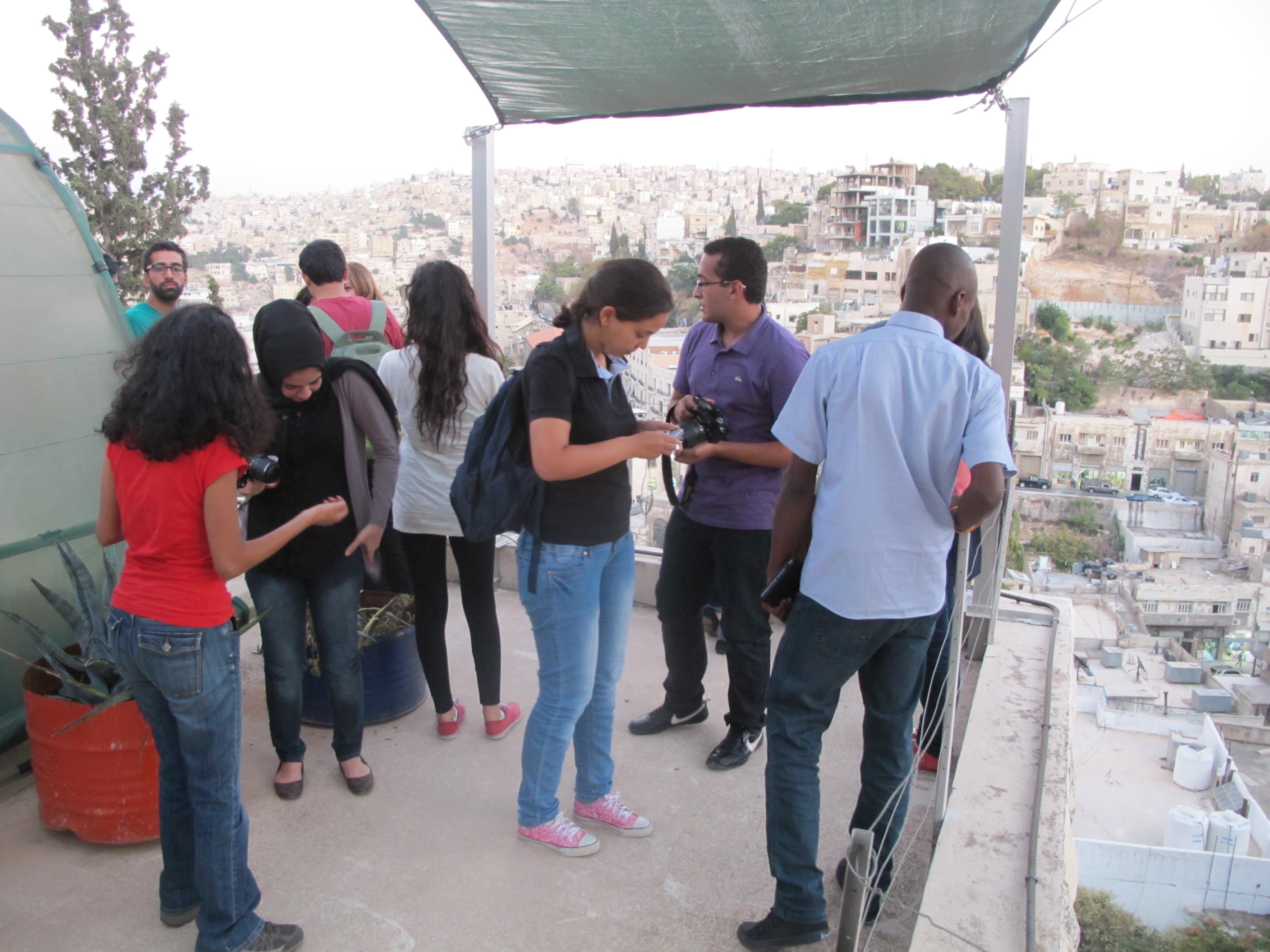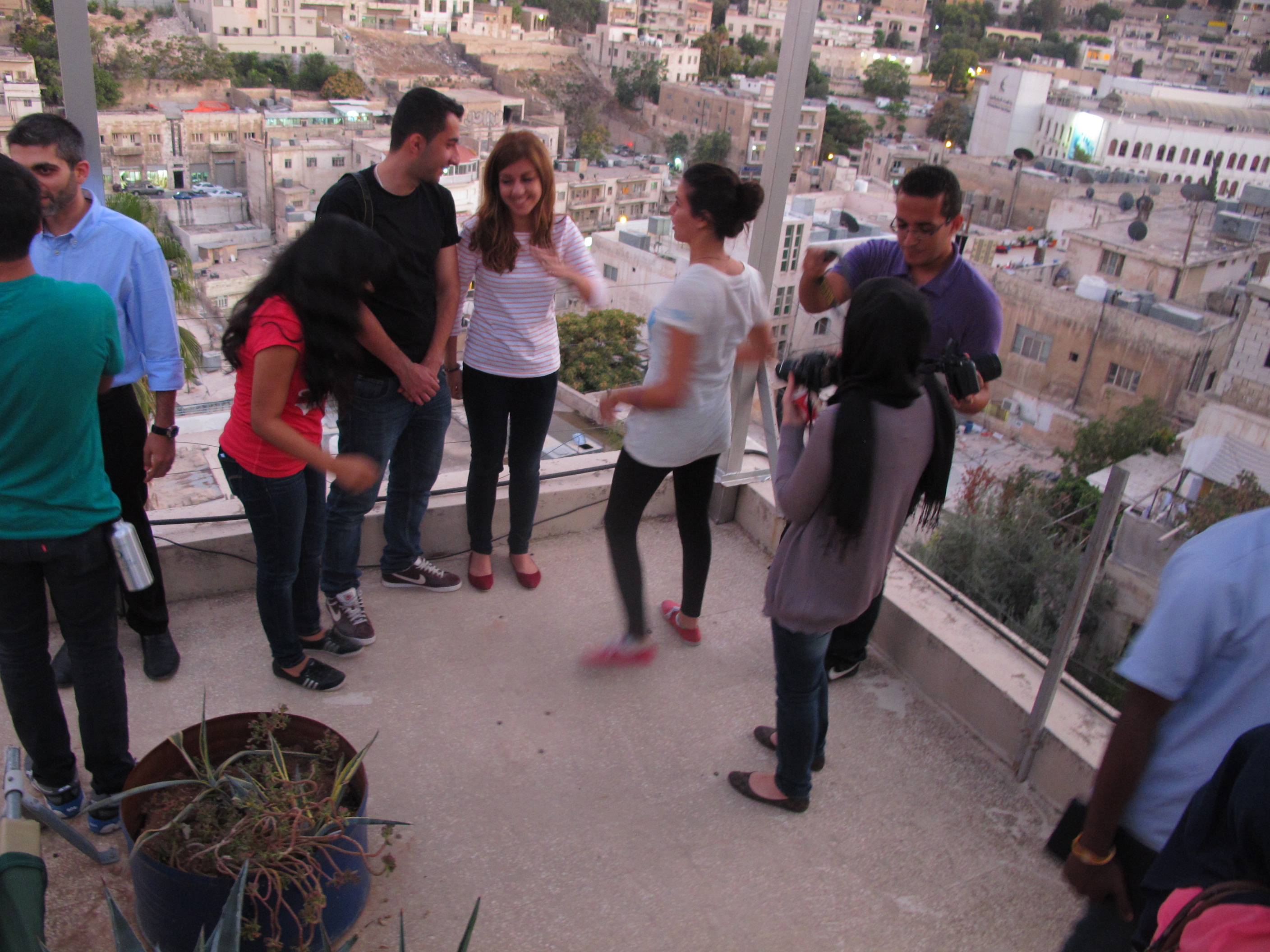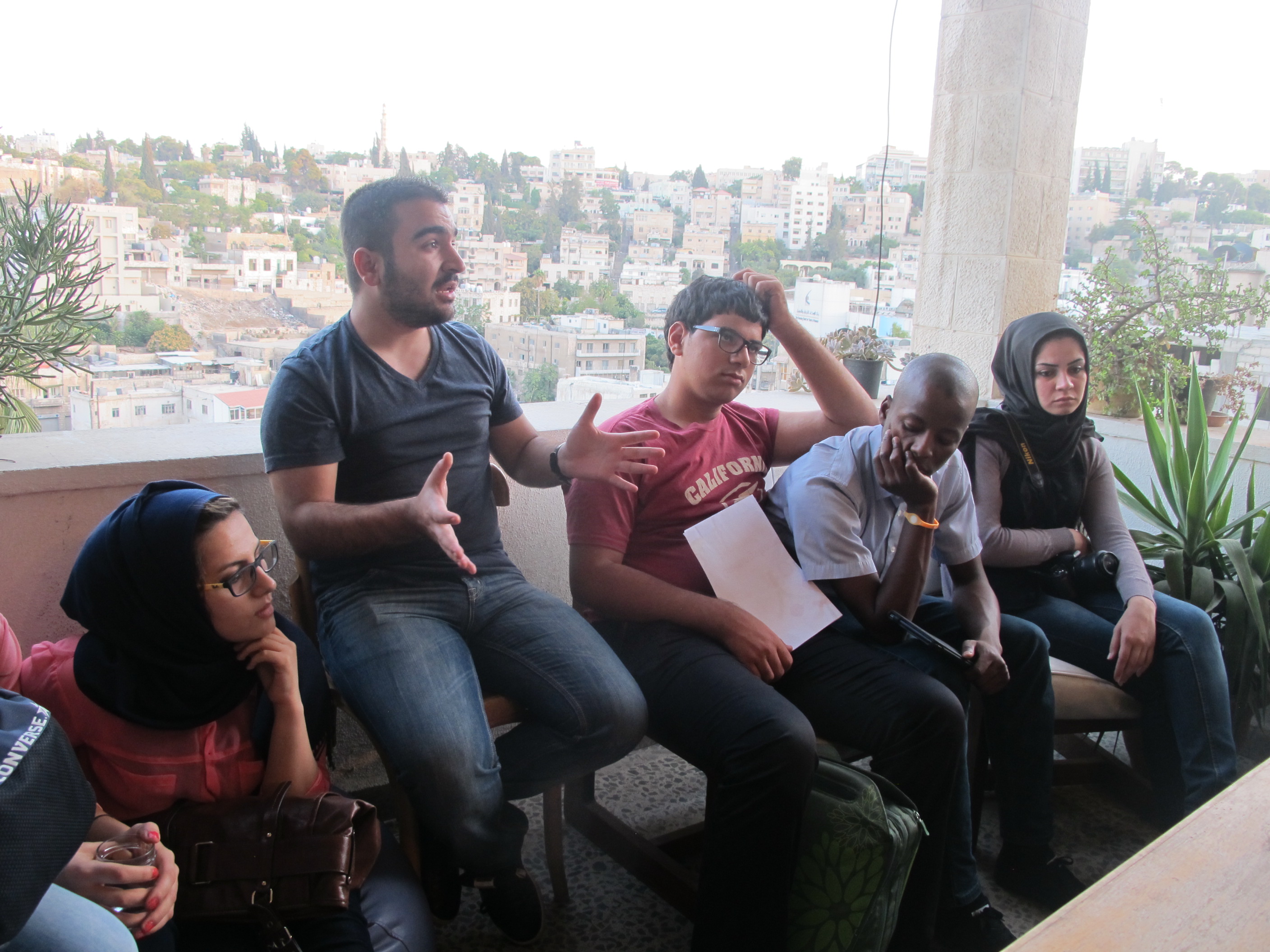
taghmees with Arab youth تغميسة مع الشباب العربي

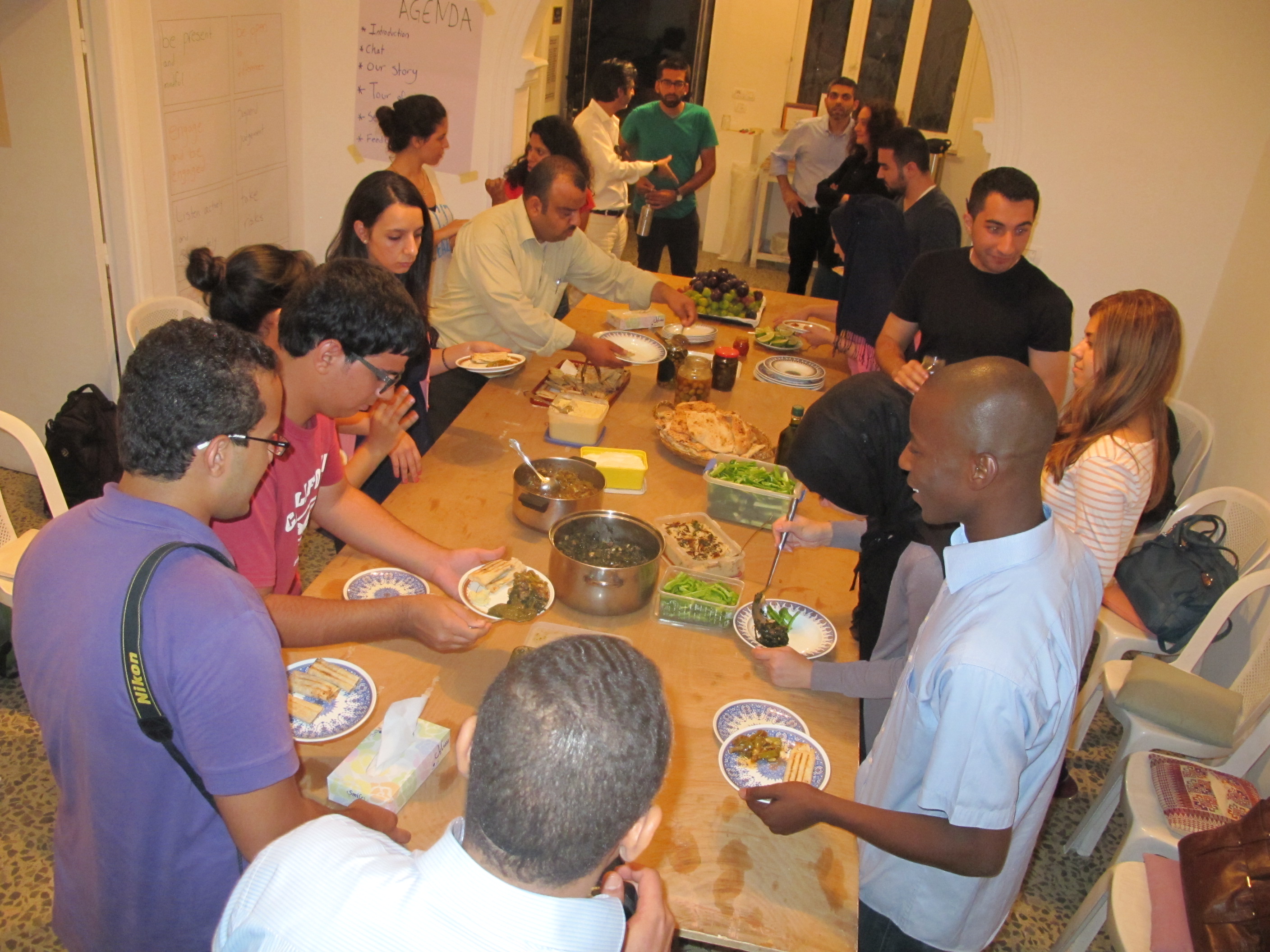
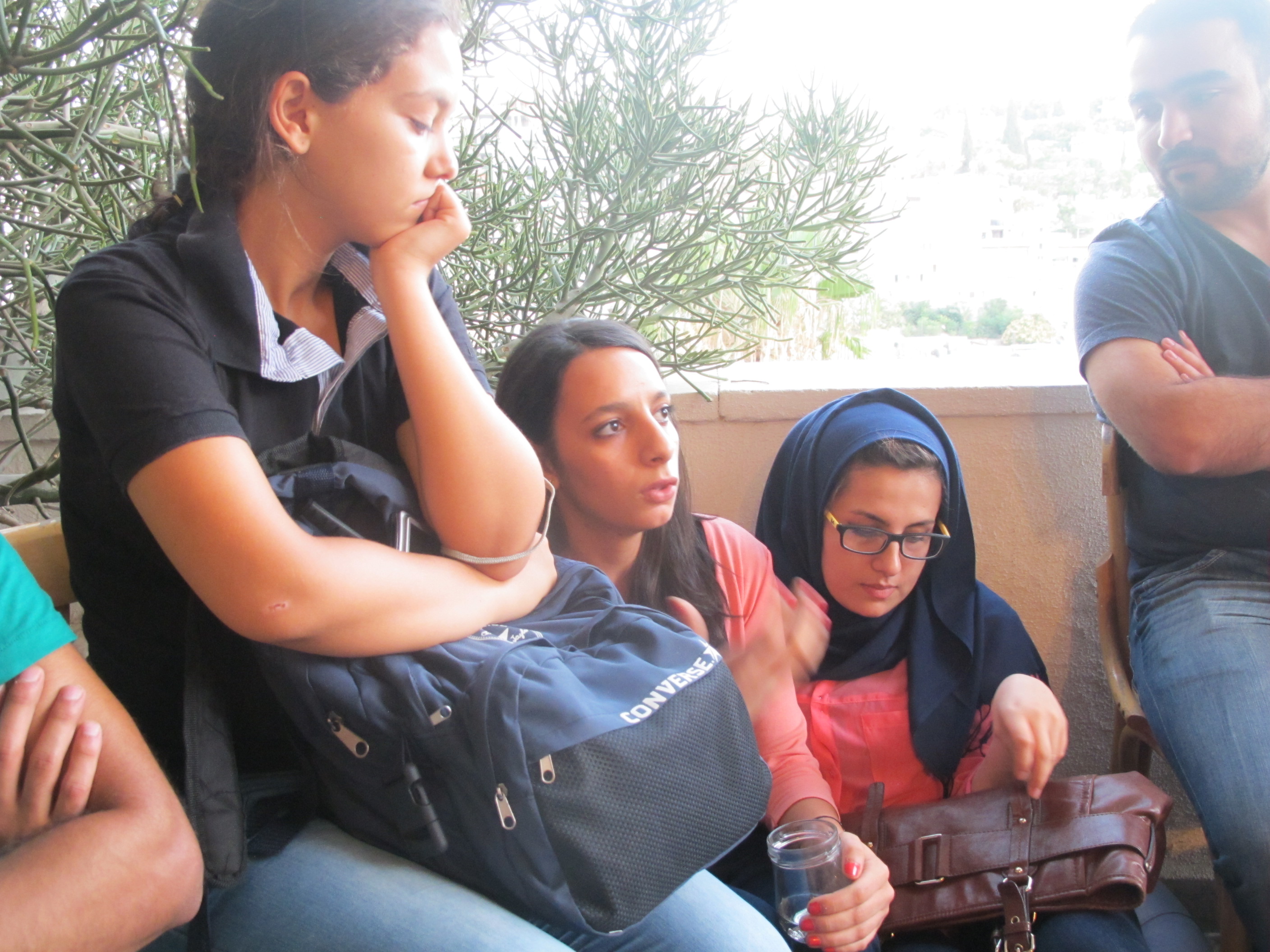
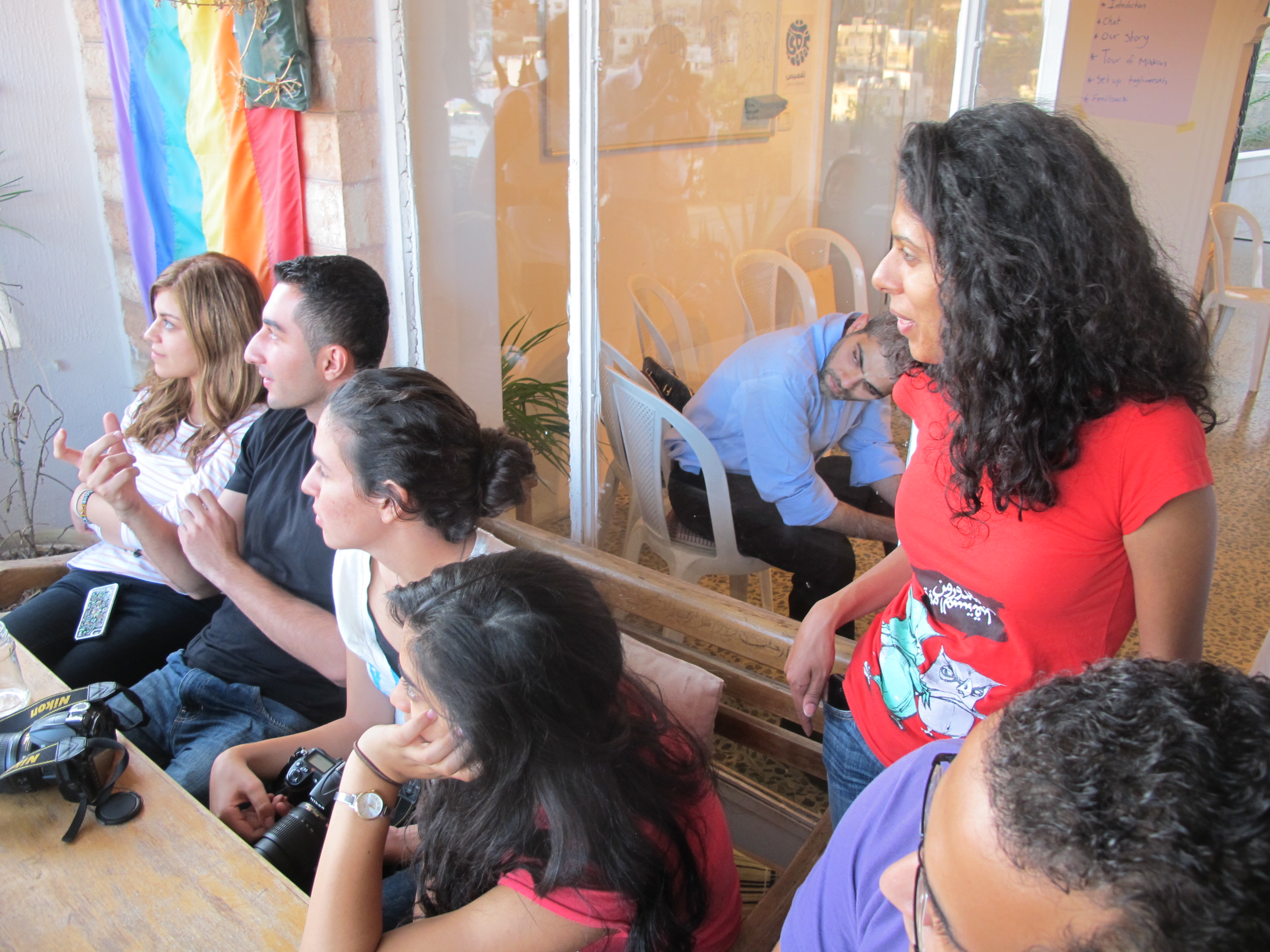
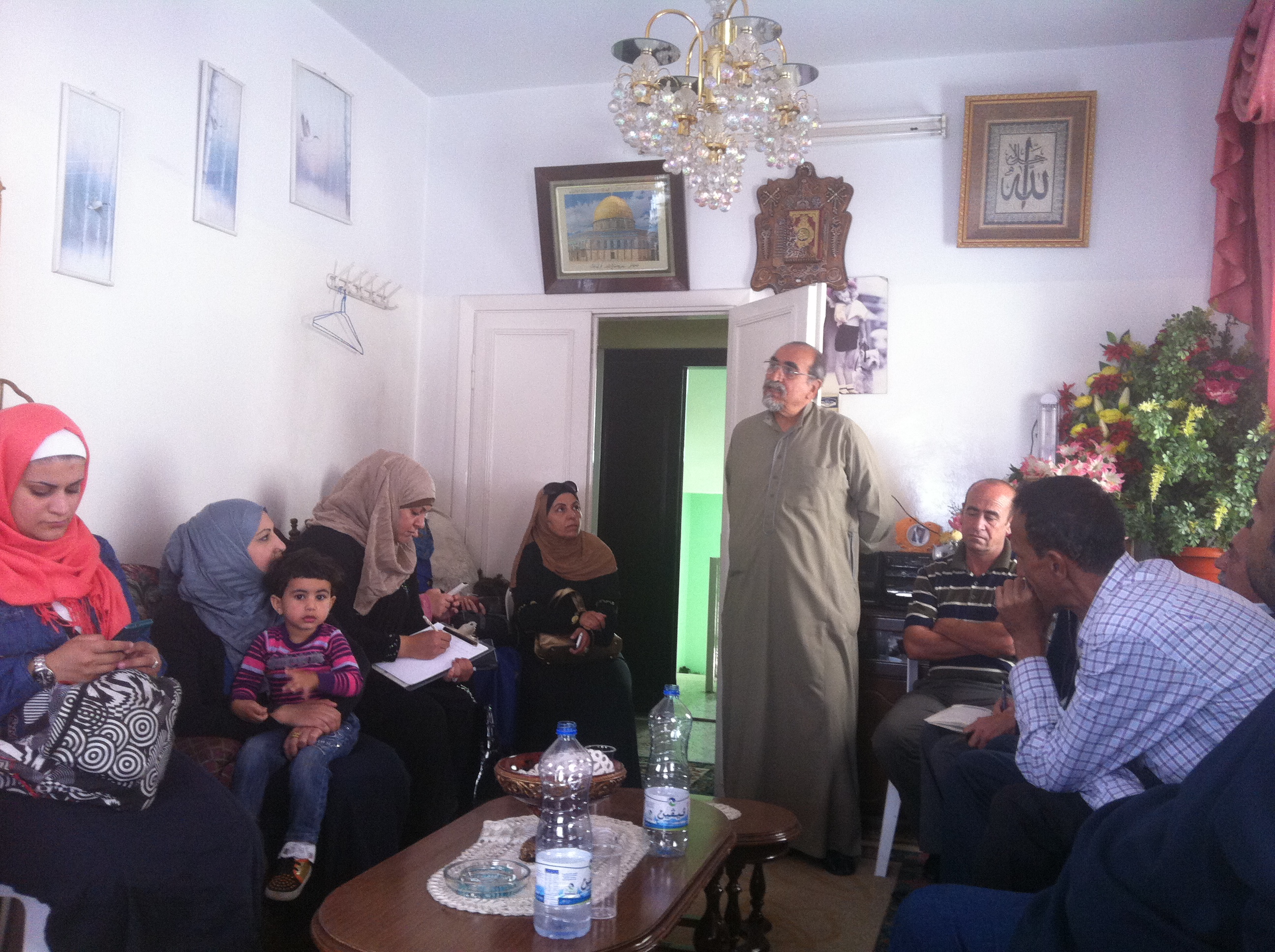
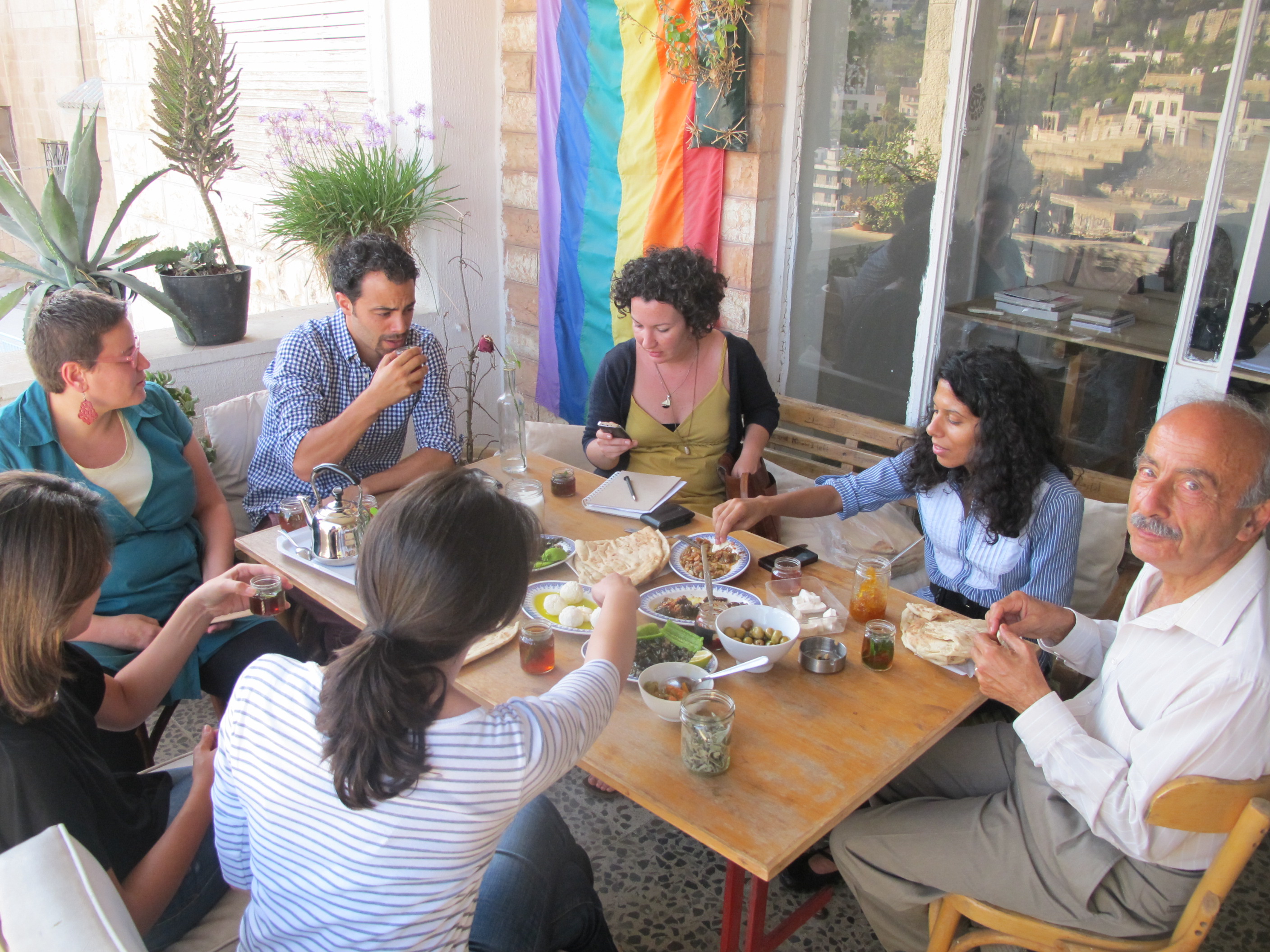
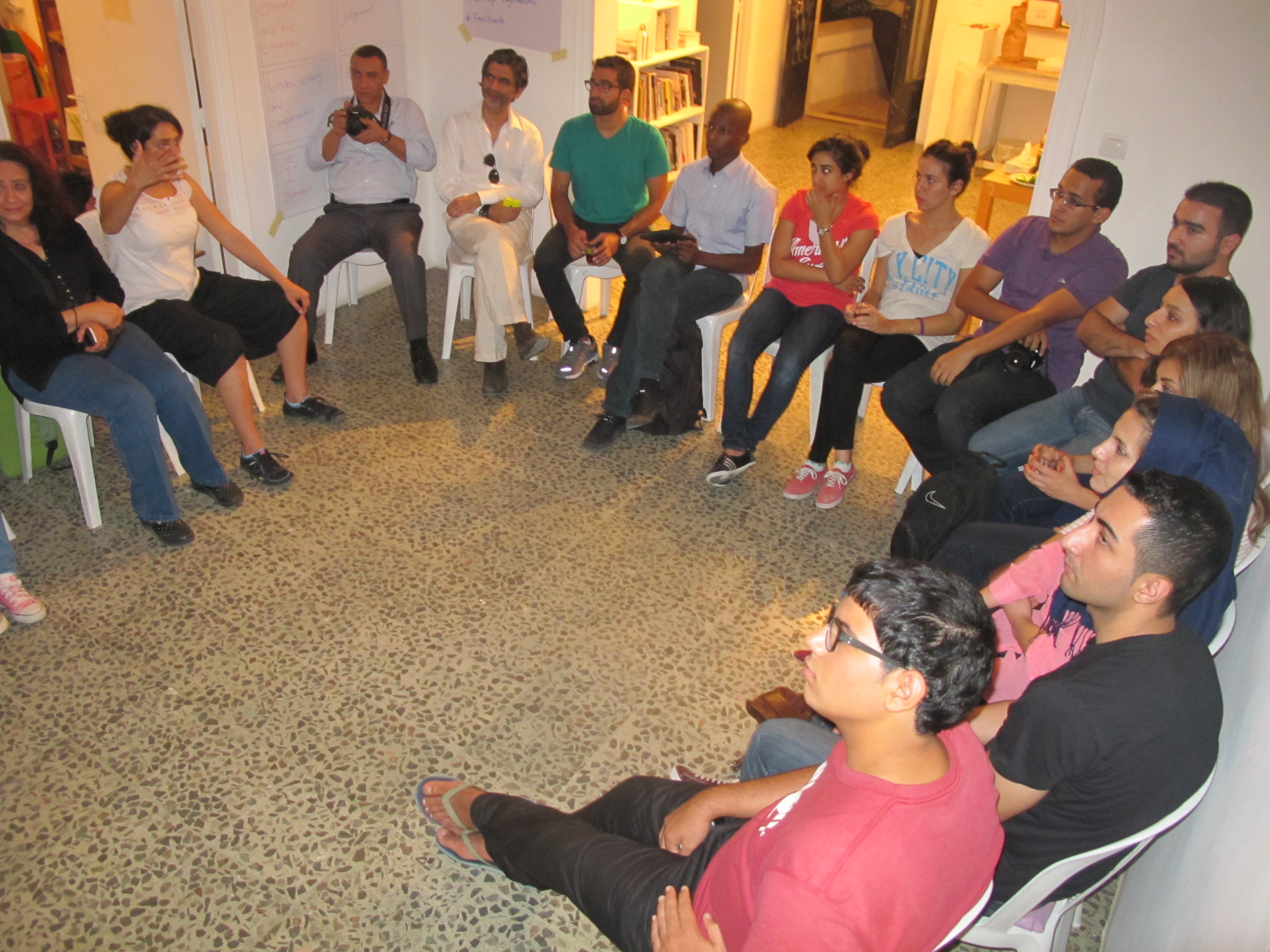
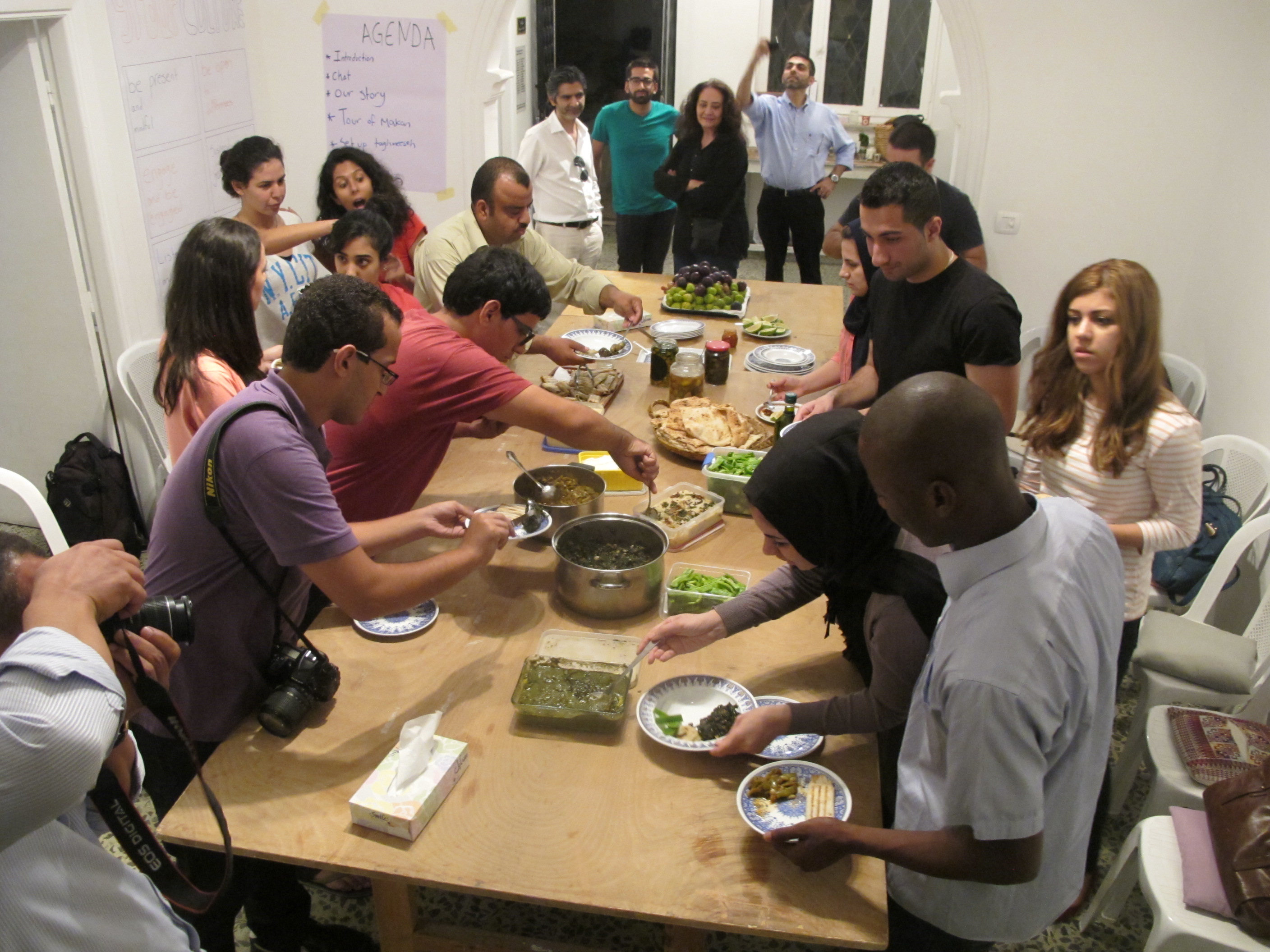
IMG_0793قبل حوالي شهرين استضفنا في مطبخنا الاجتماعي مجموعة من الشباب العربي وبالاخص من العراق ومصر والمغرب العربي. جاء هؤلاء الشباب الى الأردن لحضور ورشة تهدف الى بناء قدراتهم القيادية وتطوير مهاراتهم في مجالات الابداع والريادة الاجتماعية. كان موقع تغميستنا “مكان” مساحة فنية، وكانت غايتنا التحاور والاكتشاف والتأمل لننسج معا مساحة للتعلم التشاركي.

كان تغميس احدى وآخر المحطات التي حط بها قطار التعلم لهؤلاء الشباب الذي دام لمدة ثلاثة أيام. بجدول مليء وسريع بالجلسات والمحاضرات والزيارات لنماذج محلية للابداع الاجتماعي في الاردن، كنا محظوظين بمشاركتهم تجربتنا مع تغميس والتمهل بالتعلم معا، ومعرفة الى ماذا نهدف وماذا نفعل وكيف نعيش.

وجودنا في “مكان” اعطى الشباب فرصة لرؤية نماذج لمشاريع اجتماعية ومحلية مختلفة وكيف اننا في موقع يدمج بين الفن والمجتمع. ومن على سطوح “مكان” كان لهم لقاء أخر مع “ميزان” وتعرفوا على مجال الابداع الاجتماعي من خلال جهاز الحرية -البيت الأخضر الذي يعمل على نظام الأكوابونيك.

جاء الشباب حاملين معهم العديد من القصص من حياتهم وتجاربهم المختلفة وكان لديهم الكثير لمشاركته. تحدثوا عن بعض من مشاريعم المؤثرة التي يعملون عليها مثل، مبادرات لتحسن التعليم، مشاريع للقراءة، مخيمات صيفية، بنوك للدم وغيرها من المشاريع الريادية. معا نظرنا على هذه المشارع من زاوية مختلفة جامعين تجاربنا المتنوعة، ومن هذه الانعكاسات استطعنا تشكيل معاني الريادة والمجتمع والمسؤولية الشخصية.

وكان للحديث عن التعليم والتعلم والمعرفة جزء من هذه الجلسة. عبر بعض من الشباب عن أهمية وجودهم في مثل هذه الورشات ورغبتهم بان تكون متاحة لعدد أكبر من الشباب العربي. الشح والقيود الموجودة في مؤسسات التعليم بالمقارنة بوفرة المعرفة المكتسبة من الحياة والتعلم المستمر كانا من أهم ما أوحى لنا بايجاد تغميس.

التعليم نادر وغير متاح للجميع، ببساطة العالم في نمو مستمر ولا يوجد هناك عدد كاف من المدارس والمعلمين والكتب والورق والاقلام وكل ما يلزم العملية التعليمية لجعلها متاحة للجميع، بالاضافة الى انه لا يوجد وظائف تلبي طموح جميع من تمكن من الوصول الى التعليم، ولا حتى تعمل هذه الوظائف على سد الثغرة بتوفير التعليم للجميع.

التعلم والمعرفة نهر يتدفق دون توقف، بدراية او من غير دراية فاننا في حالة تعلم مستمر حتى عندما نتقدم في العمر. مع مرور الزمن فان موقفنا تجاه التعلم يتغير، ونعمل على تأكيد معرفتنا باستخدامنا المتكرر للفعل “أعرف”. هذا اسلوب التعلم الذي نكتسبه من المدارس، بان نحصر معرفتنا بما يجب ان نتعلمه ونأخذ عليه شهادة تثبت باننا نعرف بدلا من ان نتعلم كيف نتعلم ونوسع مداركنا.

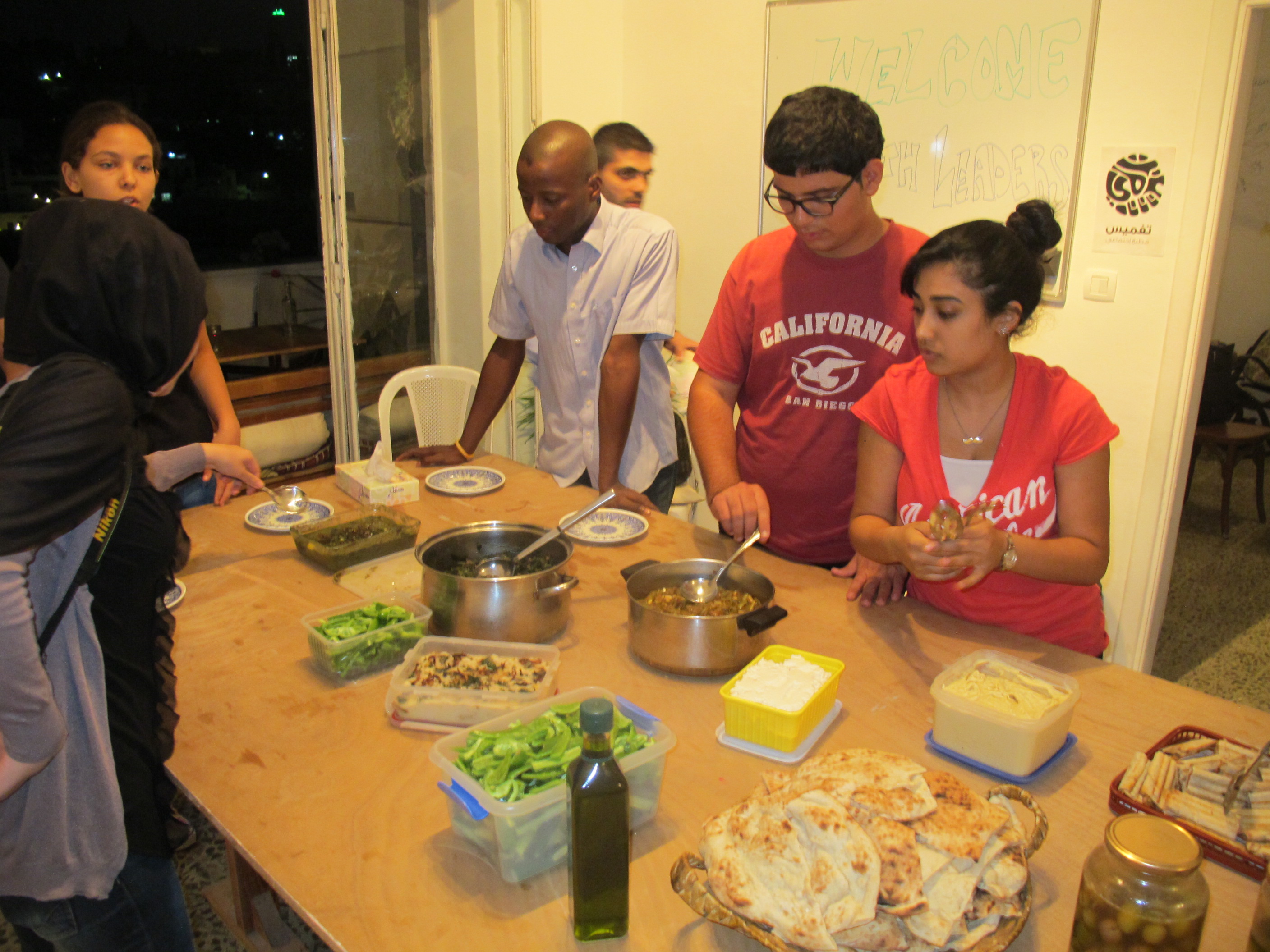
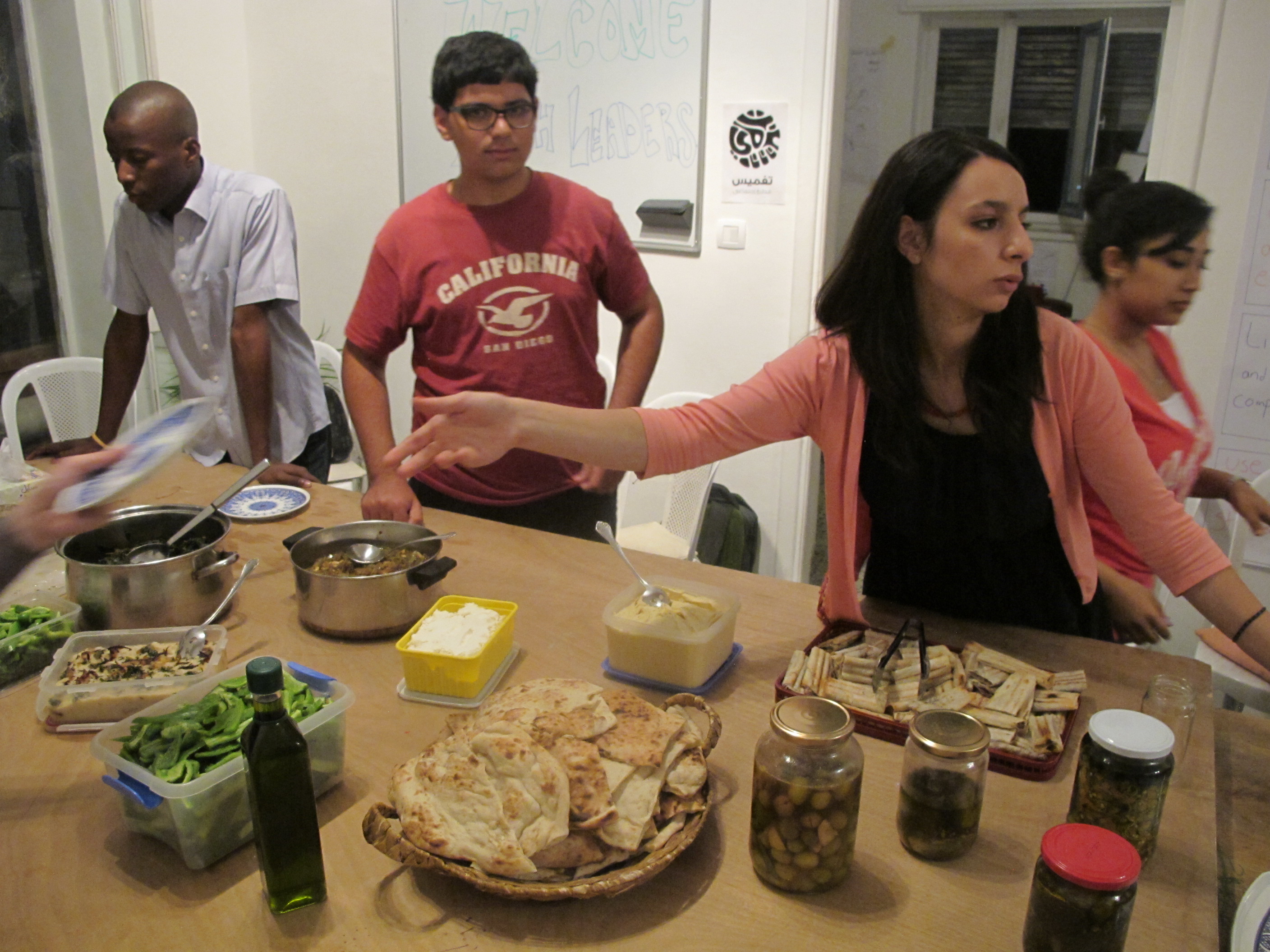
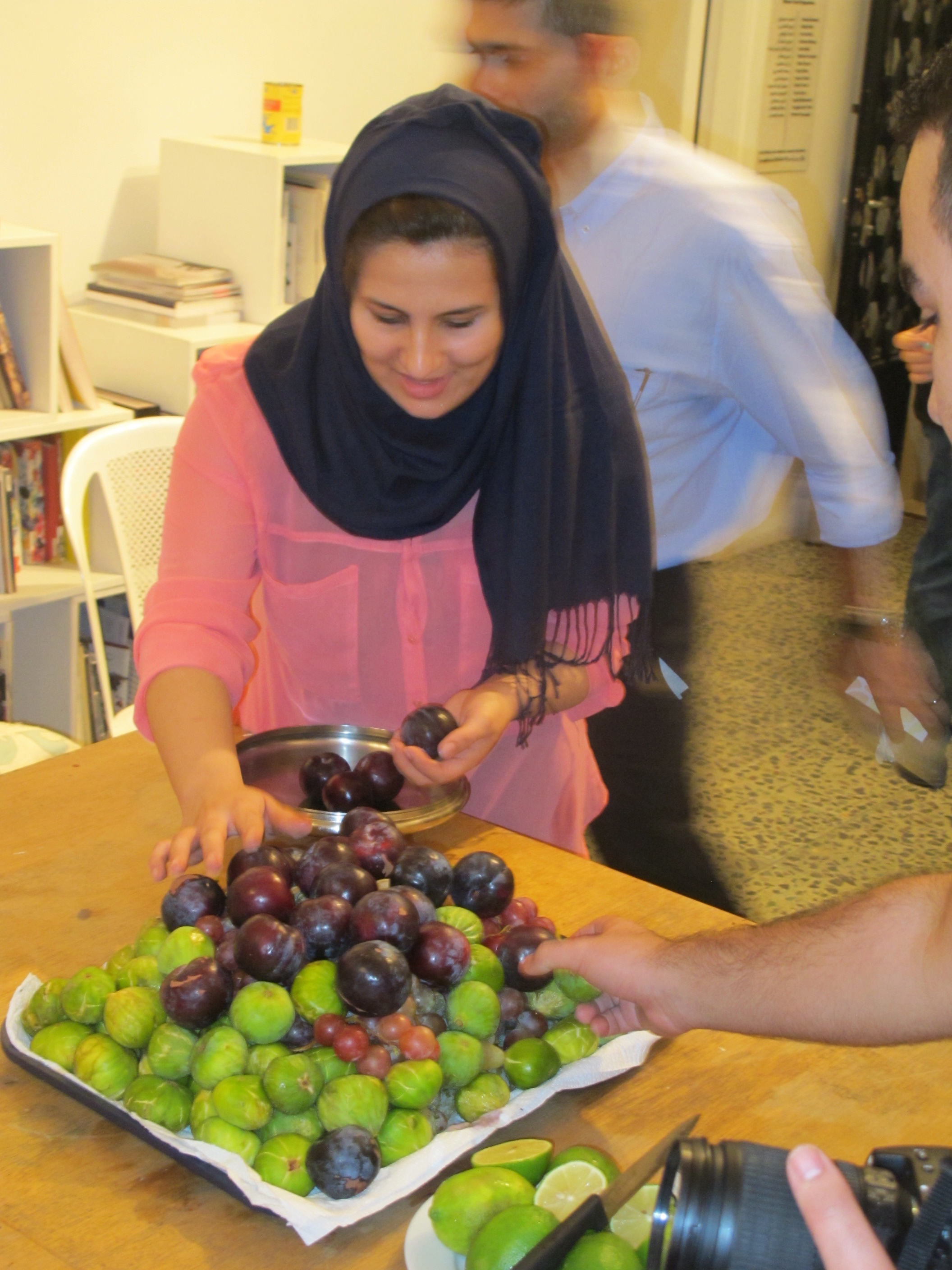
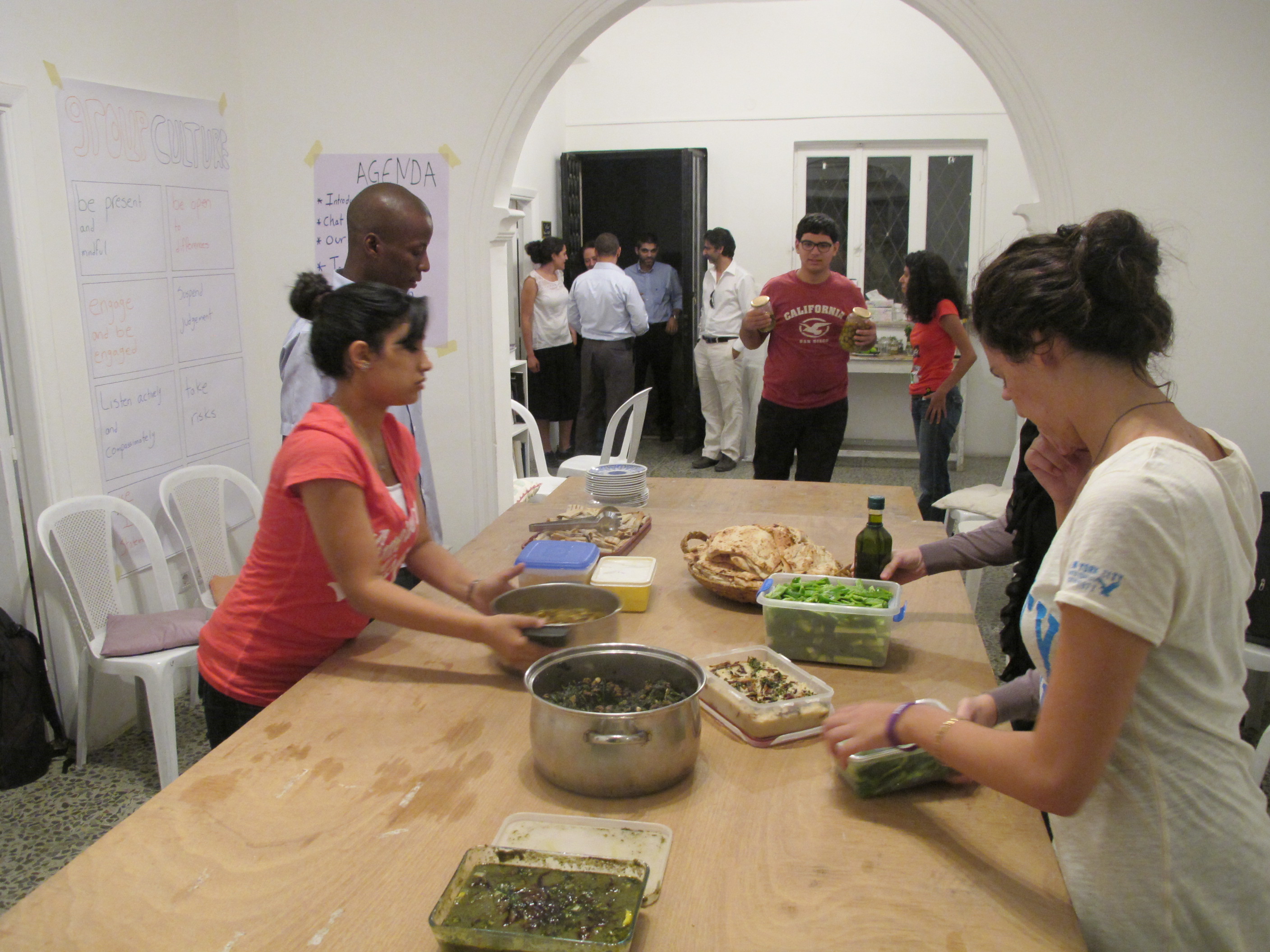
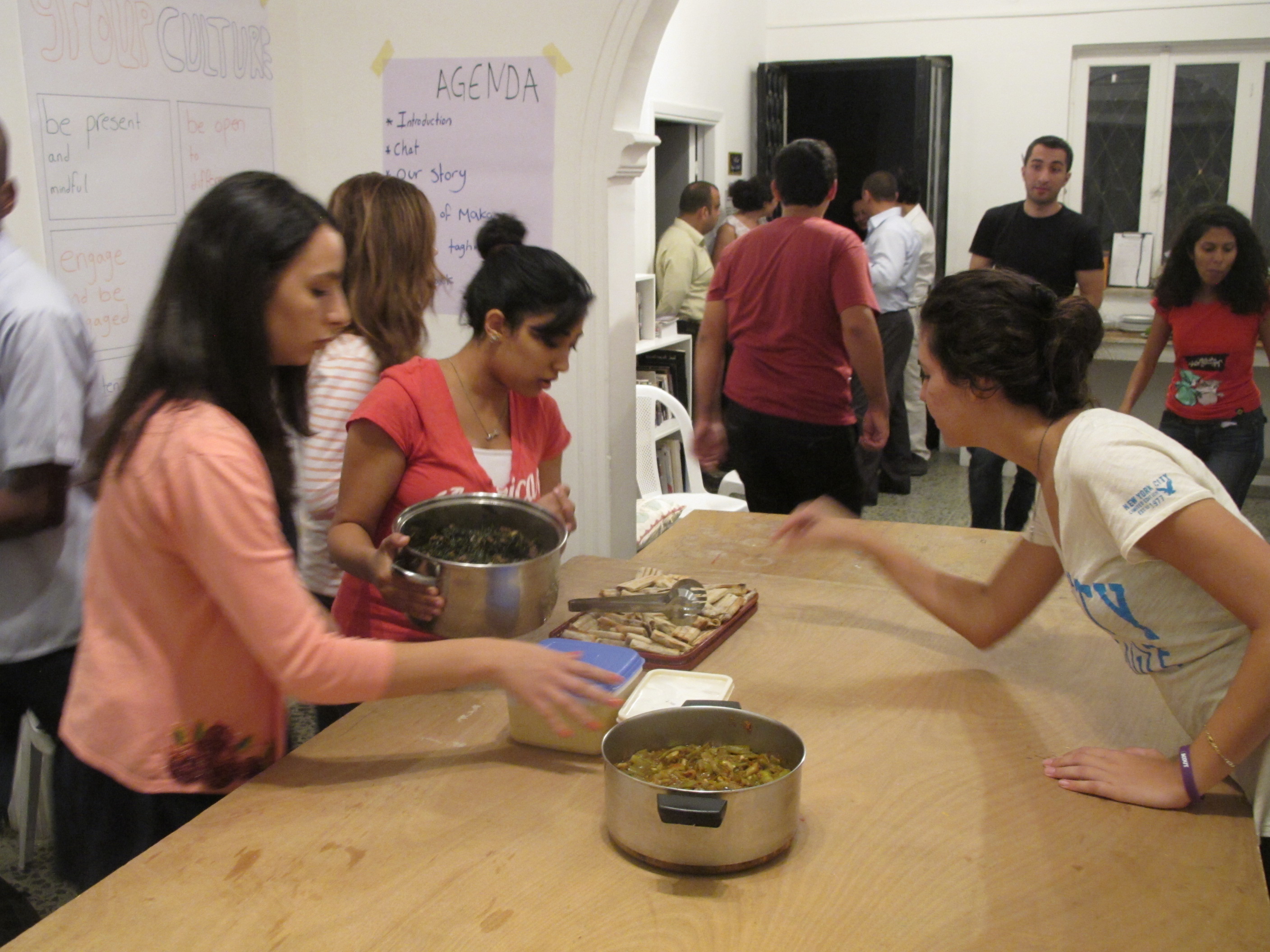
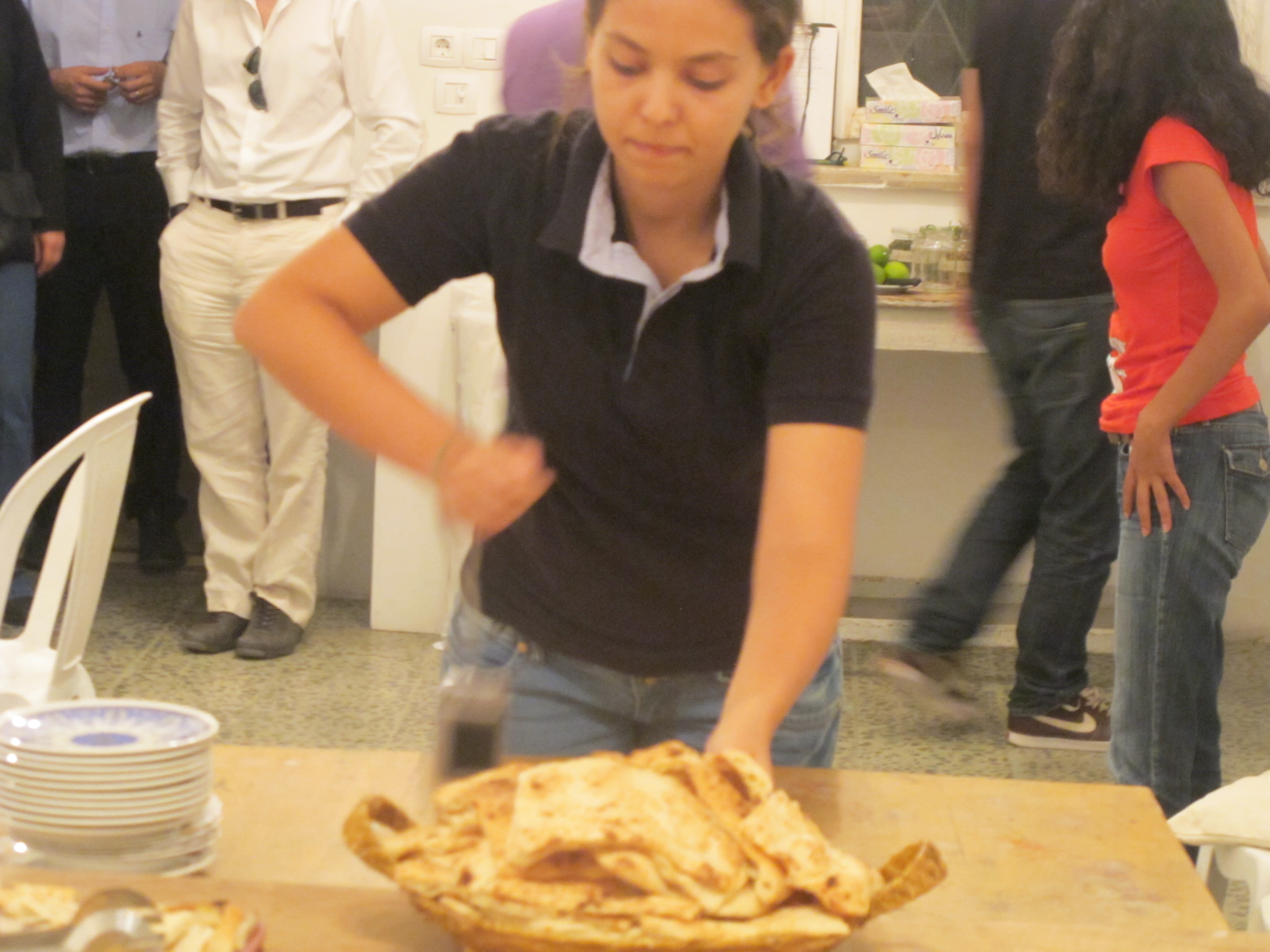
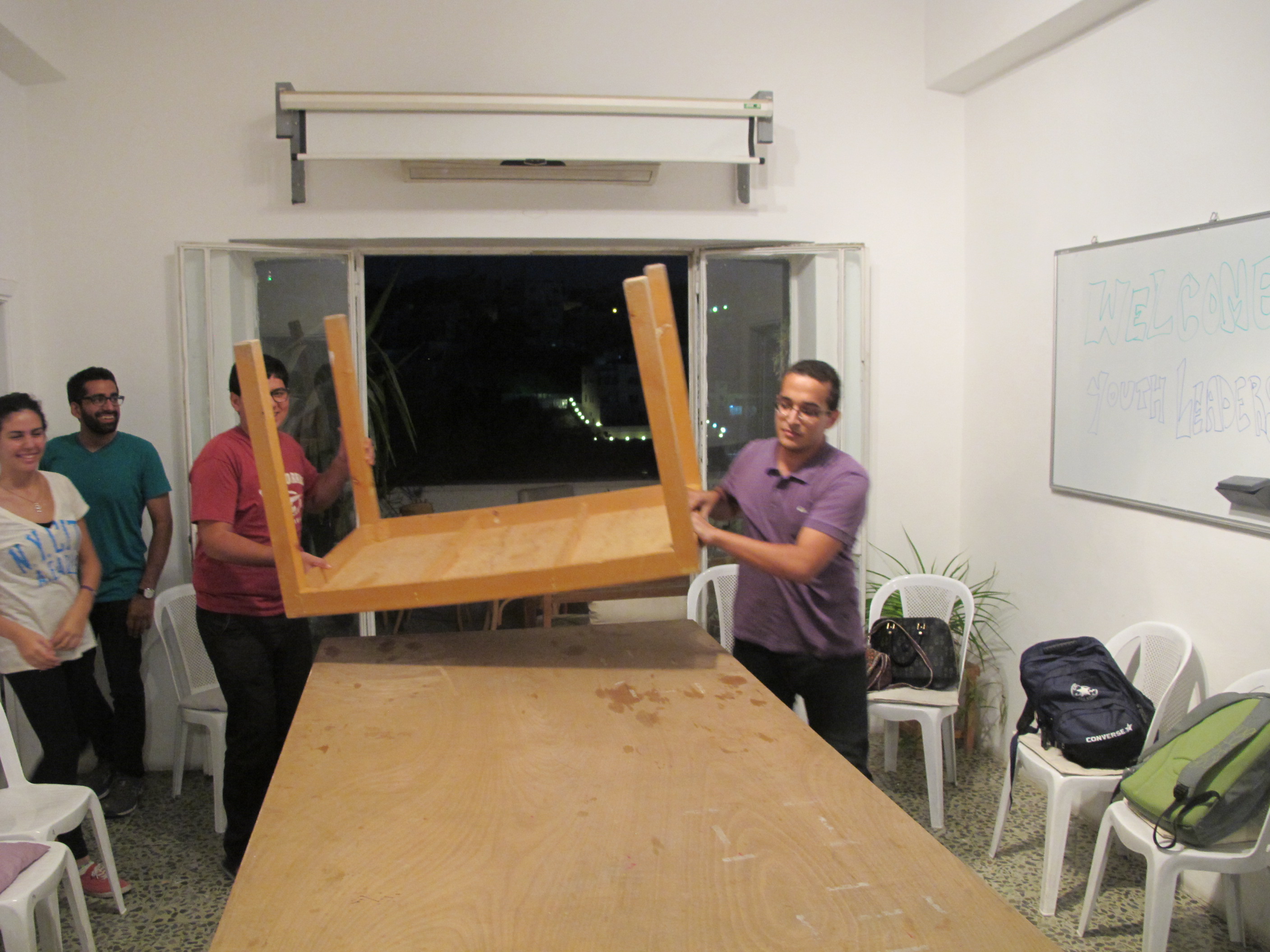
تعلُمنا مع المجموعة تخطى حدود الزمن والغرفة التي نحن بداخلها، كسرنا حاجز القيود بالتعليم وانغمسنا بالتعلم وبالاستمتاع بهذه اللحظات. تسلم الشباب دفة القيادة وقاموا باعداد الجو لتناول تغميسة جماعية، كان للجميع دور في ترتيب المكان، وقاموا بالتعرف على وجبات  جديدة وروا لنا عن انطباعاتهم ومقارنتهم لهذا الطعام مع ما هو موجود في مناطق مختلفة من العالم العربي.

الصراحة كنا محظوظين لنكون وسط هذا الكم الهائل من الطاقة والرغبة والأمل في المستقبل. وكنا سعيدين أكثر ونحن نرى التحمس على وجوههم وكيف تمكنوا من اللمس والتقرب وفهم روح تغميس. وأجمل ما في الموضوع إدراكهم بان لديهم الحرية باخذ هذه الروح التعلمية معهم اينما شاؤوا، لان هكذا يجب ان يكون التعلم…مجاني.

Nearly two months ago today, we had the pleasure of sharing taghmees with a diverse group of visiting young Arabs from the region.  As recent alumni of youth leadership programs, this group was brought to Jordan for a workshop with the objective of building leadership and developing practical skills in social entrepreneurship and innovation.  Our taghmeeseh took place at Makan Art Space, where we welcomed them to explore, reflect, and together create a social kitchen for our shared learning.

For these young Arabs, we were merely one stop along the way in a 3-day schedule packed with training sessions, presentations, and visits to local models of social innovation.  They basically wanted to learn about Taghmees Social Kitchen; what it is we do, and how and why we do it, among other things.

Fortunately for us, we were their final visit for both the week and the day, so we were able to really slow down and actually experience taghmees together.  As a life and experience based approach to learning, it’s the most fitting way to share our concept – simply by engaging people in it.

Since the group was interested in local models of social ventures, being at Makan provided a great opportunity to describe their approach to creating a space that supports art and community.  Meezan – recent fellow residents at Makan – provided another great example of social innovation with their Freedom Machine, a rooftop aquaponics greenhouse.

Considering that the youth were already full of great stories from their own lives and recent experiences, they also had a lot to share.  They talked about some of the incredible work they had been involved in, such as student-led blood drives, education reform initiatives, reading ventures, and summer camps, among others.  We reflected on what had been learned from our different experiences, using them to shape our meaning and understanding of leadership, community, and personal responsibility.

We also spent some time talking about learning and education in general.  Some youth expressed appreciation and value for the diversity of competencies they had gained through engaging in leadership programs, wishing more people in their communities could learn similar things.  One of our inspirations for starting Taghmees is based on the scarcity and limitations found in the institution of education as compared to the abundance found in learning.

Education is scarce – simply, there are not enough school buildings, desks, teachers, books, paper, pencils, chalkboard, computers, projectors, etc., to bring “education” to all who need it.  Nor are there enough jobs to satisfy all those that do manage to receive an “education”.  Nor do these jobs really go to serve the needs of the people or the families of the people who are struggling to access education and/or jobs for themselves or their children.

Learning is abundant – whether we are conscious of it or not, we are constantly learning, even as adults.  With time, our attitude towards learning merely changes, reinforced by confidence in what we already “know”.  This is the kind of attitude we develop from going to school and rather than learning how to learn, we’re taught what we’re “supposed” to know, and given a certificate to prove that we “know” it.

In that space together, our engagement was far removed from the frameworks of education, but our learning was deep, while also being fun!  Especially when the youth took the lead and set up the space to enjoy some local taghmees-style food.  From their reactions, we learned a lot about what they found unique about our local homemade dishes, in comparison to food commonly found in different parts of the Arab world.

For us, it was truly inspiring to be in the midst of so much energy, will, and hope for the future.  The most rewarding part was their enthusiasm throughout, and finding out how well they had grasped the spirit of taghmees. Above all, it was great to see them recognize that they were free to take that spirit with them.  Because that’s how learning should be – free. IMG_0787 IMG_0786 IMG_0784 IMG_0785 IMG_0783 IMG_0781 IMG_0779 IMG_0780 IMG_0777 IMG_0748 IMG_0751 IMG_0755 IMG_0745 IMG_0746 IMG_0737
تأملات تجوال وادي الحدادة

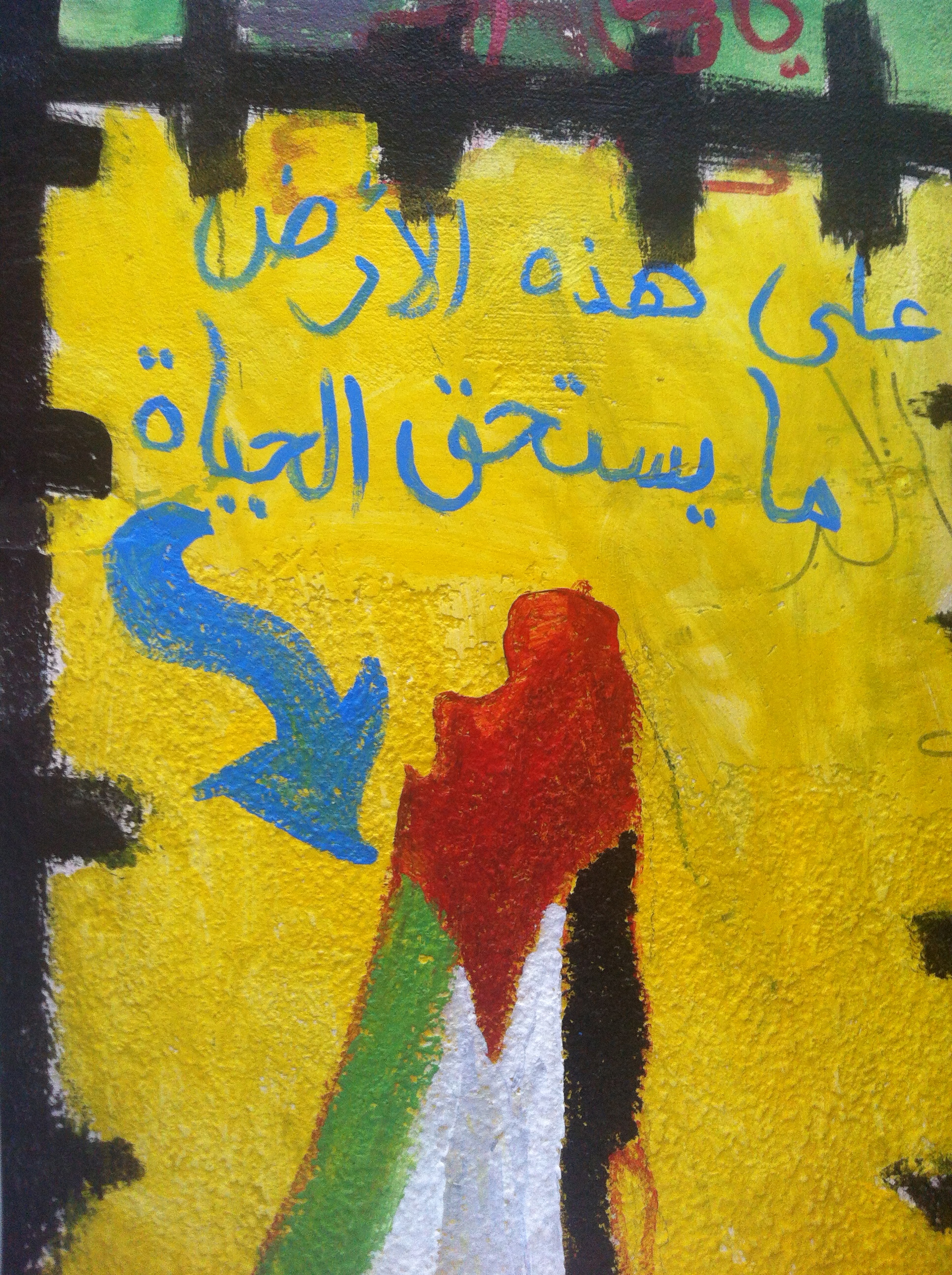
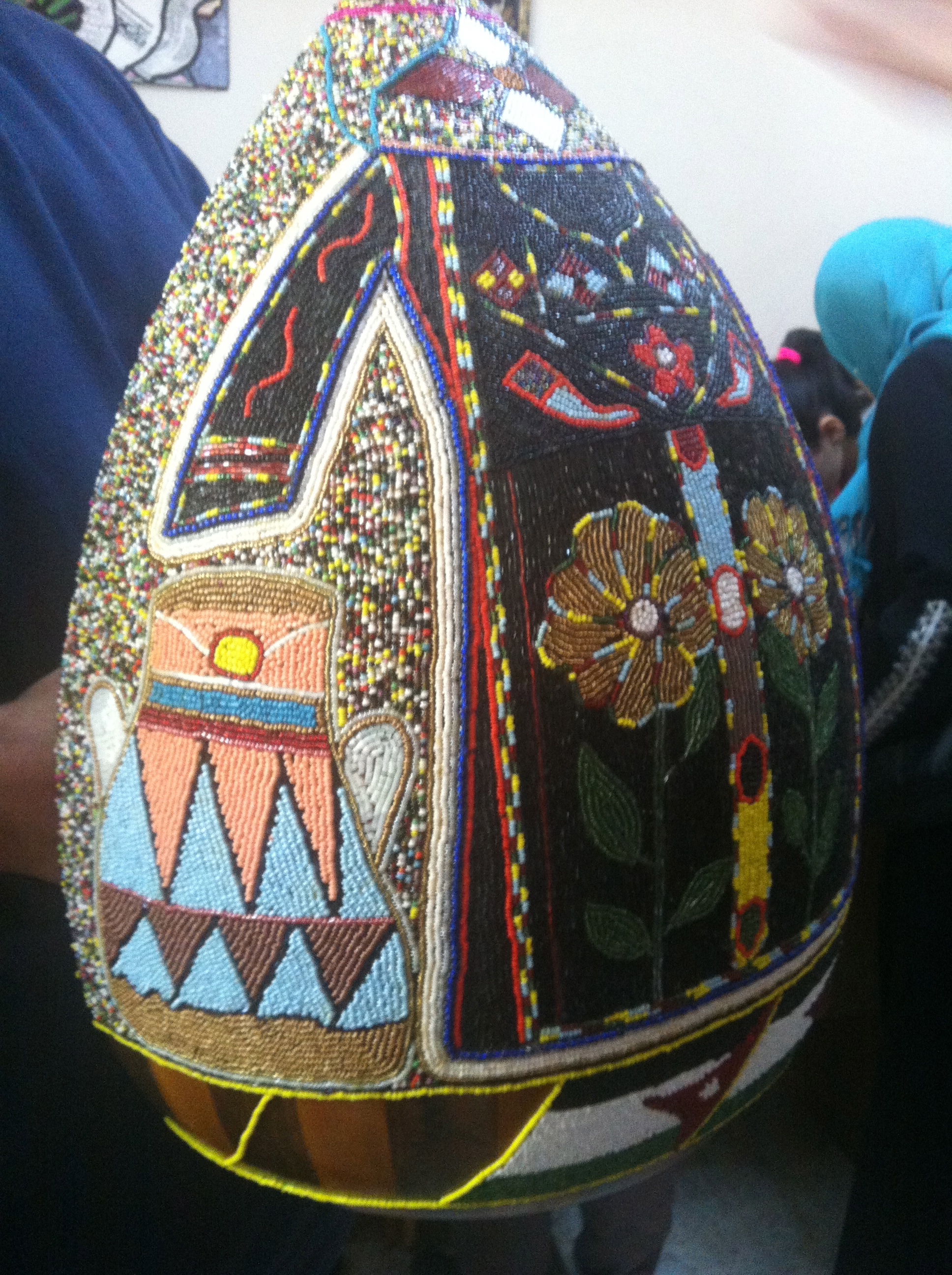
من أعمال أطفال جمعية  رعاية الفتى اليتيم

من أعمال أطفال جمعية رعاية الفتى اليتيم

مع جيرة مازالت التجوالات قائمة كل شهر. يوم الاربعاء ٩/٢٥ كان لنا تجوال في منطقة وادي الحدادة، ثروة أخرى من ثروات عمان وجولة جديدة تعزز فكرة عمان كمدينة تعلمية ومضيافة.

برفقة سلطان ابن المنطقة ابتدأت جولتنا من مركز وادي الحدادة الثقافي، وتعرفنا على النشاطات الاجتماعية المجانية التي يقدمها المركز لابناء المنطقة. من هناك مشينا الى منزل ابو وائل الذي روى لنا عن تجربته الشخصية مع الوادي وكيف اشترى دونم الارض في الستينات بنصف دينار، وقصته مع فتح اول شارع وعن بعض من مظاهر التكافل الاجتماعي في حينها ومن ثم انهى نقاشه بروايته عن السيل الذي كان يحد المنطقة والذي كان السبب في تسمية المنطقة “بوادي الحدادة”.

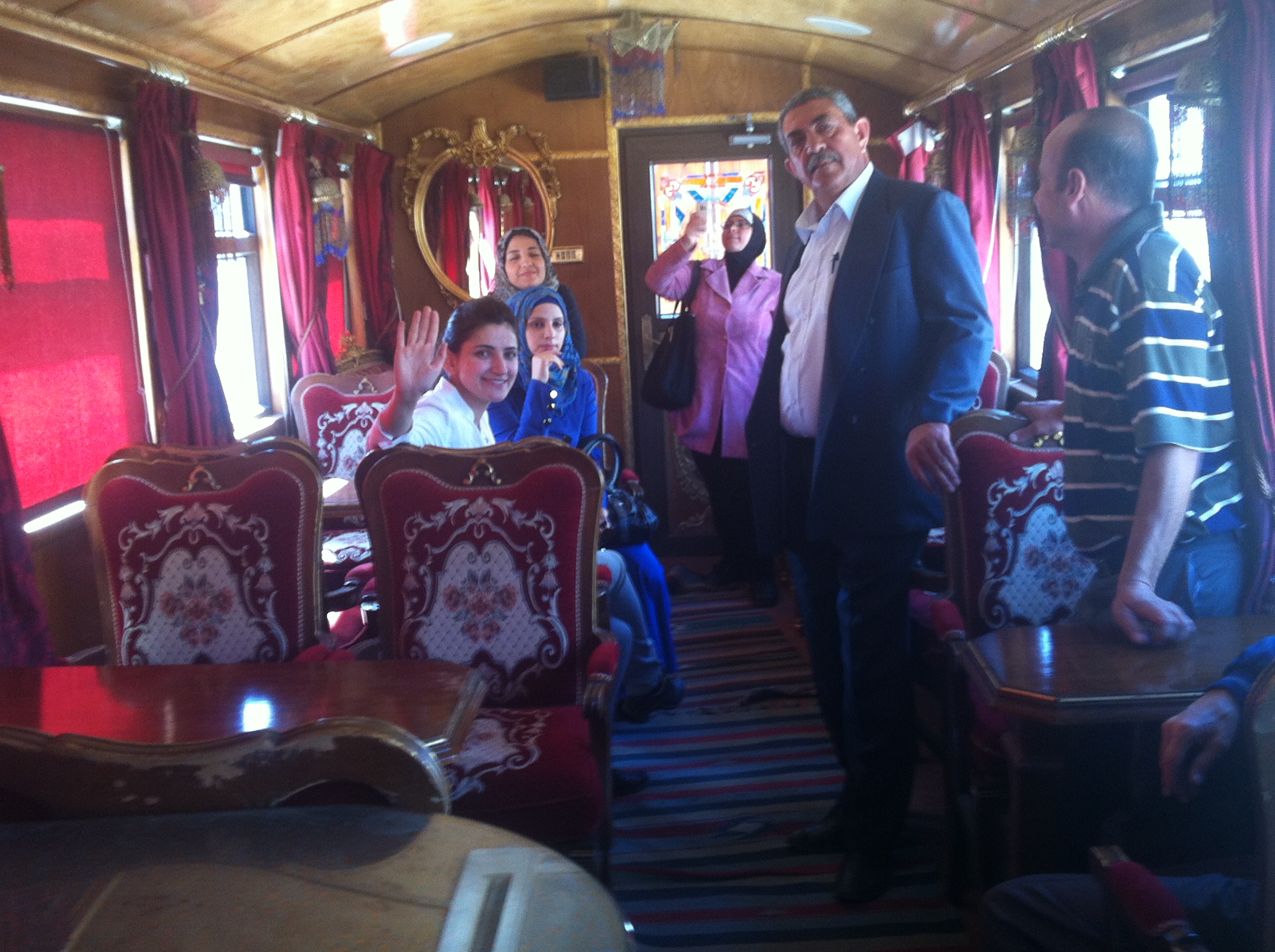
من هناك ذهبنا الى جمعية رعاية الفتى اليتيم وتعرفنا على النشاطات التطوعية التي يقوم بها الشباب للاطفال الأيتام في المنطقة من فن ومسرح ورياضة وغيرها من النشاطات. ومن ثم انتقلنا الى جمعية الأسر التنموية وتعرفنا على النشاطات التي تقوم بها الجمعية لسيدات المنطقة. وانتهى بنا التجوال بزيارة الى سكة الحجاز الاردنية.

كلما ذهبنا وشاركنا في هذه التجوالات كلما تعمقت فكرتنا للعزلة التي نعيشها في المدينة، احياء بالرغم من قربها من بعض الا انها معزولة عن بعض. بتجربتنا في تغميس مع جيرة، لمسنا هذه العزلة عن قرب ووجدناها في دواخلنا، عزلة ليست فقط بالمناطق والحارات، بل بالروايات والارواح. كم تحوي أروقة هذا الوادي من حكايات وتجارب ومظاهر للتكافل الاجتماعي ولكننا لا نعرف عنها، فرص عديدة للتعلم موجودة حولنا ولكننا لا ندركها، لكن شكرا جيرة لايقاظ هذا الحس التعلمي والاستكشافي بداخلنا.

ولتعرفوا أكثر عن جيرة وتجوالاتها وعن شراكتها مع أمانة عمان، بامكانكم زيارة صفحتها https://www.facebook.com/Ammanjeera

IMG_1409

مركز وادي الحدادة الثقافي

IMG_1413

منزل ابو وائل

IMG_1445

سكة الحجاز الاردنية

من أعمال أطفال جمعية  رعاية الفتى اليتيم

من أعمال أطفال جمعية رعاية الفتى اليتيم

من أعمال أطفال جمعية  رعاية الفتى اليتيم

من أعمال أطفال جمعية رعاية الفتى اليتيم

IMG_1416 IMG_1417


learning circles دوائر التعلم

Learning Circle

نصادف في حياتنا أشخاص ومواقف يجعلوننا نقف لأكثر من لحظة للتفكير في معنى الحياة ونكتشف الغنى الهائل فينا كأشخاص ومجتمعات. لحظات تجعلنا نعود لنرى بعدسة ولدنا بالأصل فيها لنشكل معنى لحياتنا، عدسة بعيدة عن كل التشويه الذي اكتسبناه من المدنية المهيمنة بدراية او بغير دراية، عدسة تجعلنا أقرب الى انسانيتنا المجردة من كل التشويه المعشعش في فكرنا.

مع ان “تغميس” طفلة حديثة الولادة، الا انها طفلة محظوظة لانها محاطة بناس كثر يساعدونها على التعلم واكتساب المعرفة بطريقة غير تقليدية. من هذه الفرص هي دوائر التعلم التي نشارك فيها أفراد من المجتمع لنتعلم ونعلم أرواحنا العطشى للمعرفة وننقيها من كل الشوائب بحثا عن قصص وروايات من حياتنا واستعمال حسّنا النقدي في فهم الامور والذي عطلته وغيبته الحياة المدنية التي نعيشها.

وبما أنّا في دائرة، فان التعلم لا ينتهي بداخلها، ليس له بداية ولانهاية. دخل الى دائرتنا الصغيرة قبل فترة التربوي الفلسطيني منير فاشة، وعلى مدى اكثر من ٣ ساعات تناقشنا عن أكثر الأمور اهمية في حياتنا الا وهو التعليم، وكيف ان التعليم المؤسسي لا ينتج الا نسخا من البشر يجب ان تكون متشابهة في طريقة تفكيرها لتناسب طبيعة الحياة الاستهلاكية والمؤسسية التي تحيط بنا، وننسى ان الطالب ولمدة ١٢ سنة يكون بعيدا عن الحياة وعن اكتساب المعرفة المتجددة والتي لا تقف عند أي شخص او أي اكتشاف.

في هذه الدائرة انغمسنا في النقاش، لنفكر في معاني الكلمات ودور كل شخص فينا بتشكيل معنى لهذه الكلمات لان كل انسان هو مصدر وشريك في تكوين المعنى والذي يكون نابع من تجربته الانسانية. من الافكار الجميلة التي ناقشنها هو التعلم واعادة التعلم وكيف تم تشبيههم بتقنيب الشجر، كل عام نكتسب معارف وخبرات جديدة ولكن لكي يكون لهذه الخبرات دور مؤثر في حياتنا لا بد لنا بان نقوم بتقنيب هذه الافكار كما نقوم بتقنيب الشجر كل عام لتكون أقوى وتنتج ثمرا افضلا، كذلك هو التعلم داخل أرواحنا لا بد لنا من ان نقف عنده ونخرج من أنفسنا ما هو ضار وضعيف ونبني على ما هو صالح وقوي.

من هذا الانغماس وجدنا ان كثير من حواسنا الادراكية معطلة ودور كل فرد فينا هو اعادة احياءها وبث النفس فيها. وجود أشخاص مثل منير فاشة مهم جدا في عالمنا العربي لان الرسالة التي يتم تقديمها قادمة من بيئتنا وما هو موجود لدينا وليست مستوردة من الغرب، رسالة تجعلنا أقرب الى لغتنا الغير مؤسسية وأهالينا والى تاريخنا المليء بالمعارف والى انسانيتنا.

At times there are precious moments that make us stop and reflect on the powerful meaning that can be extracted from our lives and experiences as people in community.    Ones that inspire us to capture the world through a critical lens that breaks through the myths and distortion.  Such moments bring us closer to our humanity and allow us to momentarily break free of our mental captivity.
Taghmees may be in its infancy, but we feel fortunate to be surrounded by a diversity of people that have been open to sharing learning spaces with us.  Within one such space, we have come together with other local practitioners to further enhance our personal understanding of community and social justice work outside of the typical framework of “education”.  The group’s chosen approach is a self-designed learning circle that allows participants to share content and experiences, exploring ideas in the world through our personal stories and interpretations, in order to create greater breadth and depth of meaning and understanding.

While in the circle, our learning is ongoing, with neither a beginning point nor an end.  Recently, we were fortunate to open up our circle to include Munir Fasheh, a Palestinian teacher and life-long learner.  For several hours, we exchanged in open conversation that allowed for a rich array of thoughts and ideas to enter the space.

We reflected on our choice of words and the sources we use for creating meaning and definition.  It brought us to discuss the results and implications of having and using the plastic-like words of institutions versus the vibrant words that emerge from life.  We discussed the beauty of languages that are extracted from nature, such as the Arabic and Chinese languages.  Personally, this helped me understand the difficulty we so often find in translating modern words, such as ‘computer’ and ‘education’, which are more often emerging from institutions rather than from nature.

We explored elements of education, history, and development, both as we’ve learned of them through institutions and how we’ve experienced them in life.  Together, delving into stories and experiences that reflected people’s knowledge (ahel’s knowledge) and ways of knowing as compared to institutionalized knowledge and ways of knowing.

We touched on the challenge of and need for “unlearning”, in the sense of stripping down the dominant non-critical patterns in our attitude, thinking, and behavior.  “Pruning” was offered as a more naturally derived word to describe this process of cleansing our spirits of the muck.   As “pruning” refers to trimming away at dead leaves and overgrown branches to allow for new and stronger life.  Considering that modern life is upheld by merciless materialism and insatiable consumerism, there’s a lot of self-pruning to be done.

From our immersion and exchange, we discovered so many of our senses that we have unconsciously allowed to grow numb.  Through the stories brought into the circle, we were able to spark some of these senses back to life.

We simply feel fortunate to be part of such a learning circle that keeps our spirits both active and alive.  Although Munir Fasheh’s presence and perspective were a rare gift within our circle, we are thankful for it and for his continued work with many pockets of communities.

experiencing Jeera تجربتنا مع جيرة

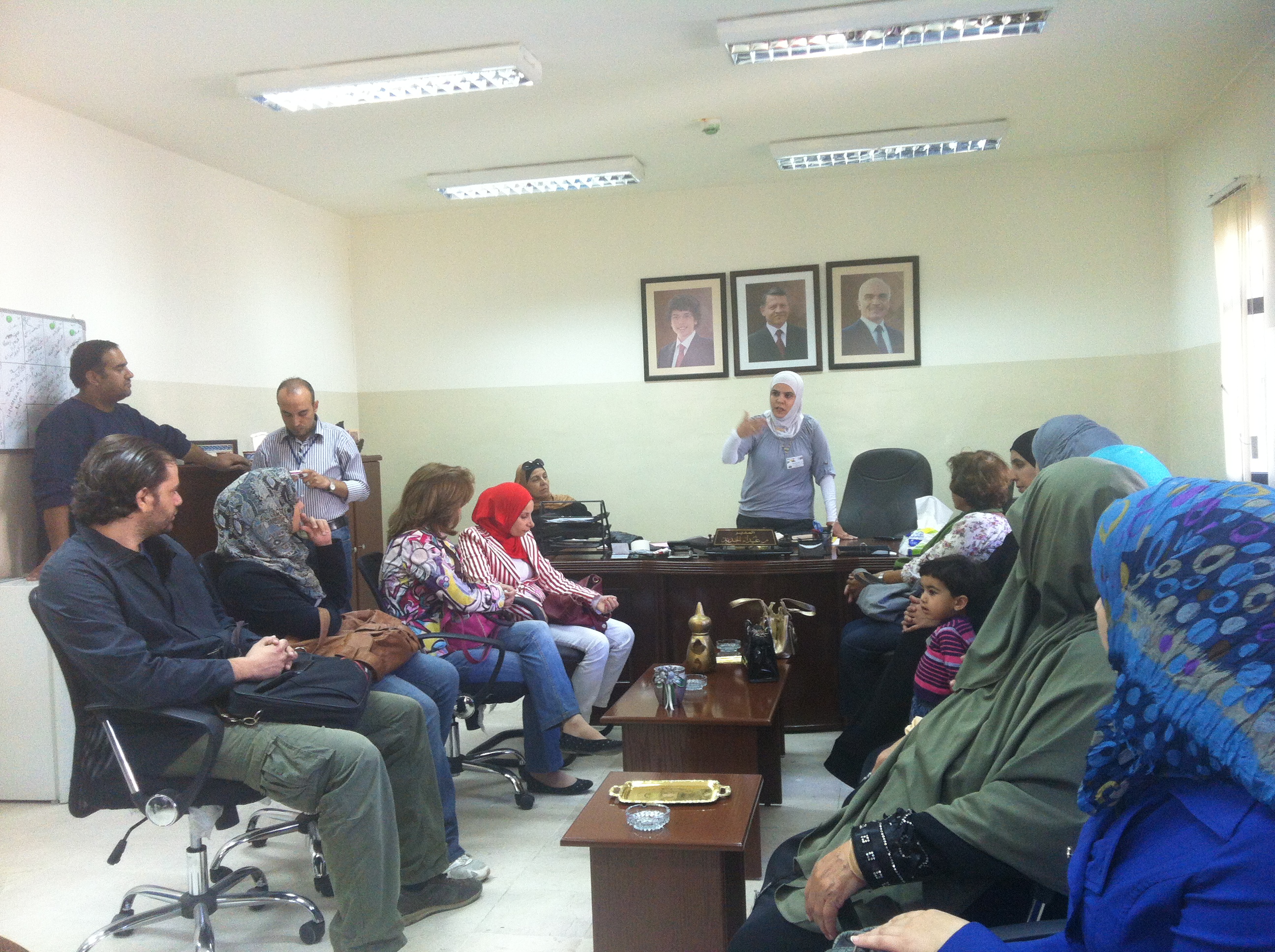
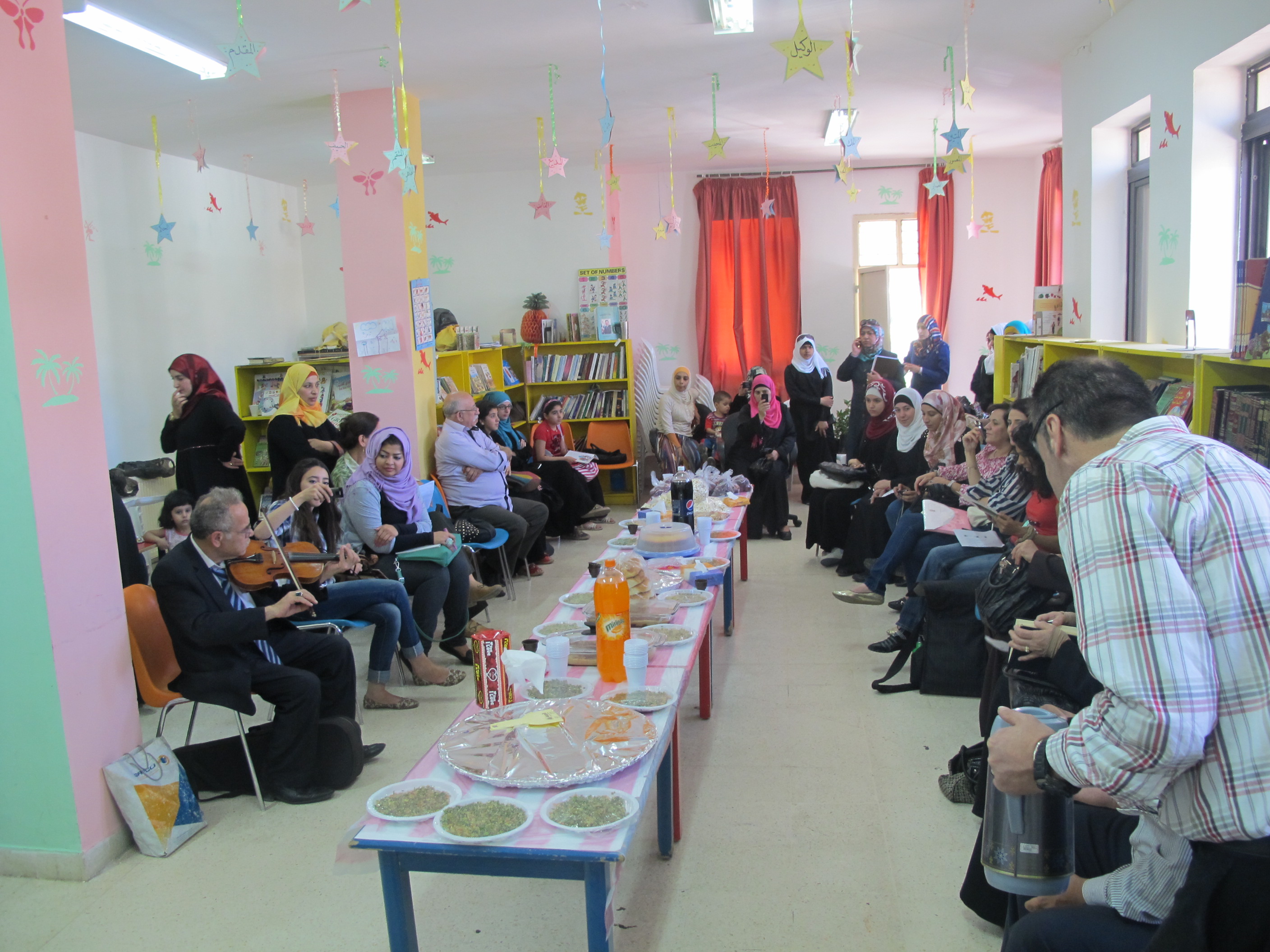
مؤخرا كان لنا تجوال في منطقة بدر الجديدة مع فريق “جيرة عمان مدينة تعلّمية ومضيافة”.  اول محطة لنا كانت زيارة مكتبة بدر الجديدة حيث تنظم السيدات القائمات على المكتبة مخيما صيفيا لاطفال المنطقة وكان لنا ذكرى وذاكرة جميلة مع اهالي المنطقة حيث تعرفنا على النشاطات التي يقومون بها لتمويل المخيم الصيفي.

بعد ذلك قمنا بزيارة مركز بدر القرأني حيث يتم تحفيظ وتعليم القران ومن ثم انتقلنا في تجوالنا الى زيارة جمعية سيدات بدر الجديدة. في هذه الجمعية تسعى السيدات الى خلق مشاريع اقتصادية اجتماعية تعود بالمنفعة على اهالي المنطقة ويقمن بتمويل هذه المشاريع ذاتيا.

وفي اخر الجولة حط بنا الرحال في مشغل السيدة ام رامي للخياطة. ام رامي لديها مشغل خياطة داخل منزلها وتقوم بتصميم وخياطة القطع. جميع هذه المشاريع تقوم بالاشراف عليها سيدات من المنطقة يحاولن سد الثغرة الموجودة في منطقتهن من مشاريع نابعة من ما هو متوفر وموجود.

 تعلمنا من هذه الزيارة الكثير ونحن نشق طريقنا لجعل “تغميس” حقيقة. بينما جيرة تحث الاهالي ليبدأوا مبادراتهم التعلّمية اما بتعلم شئ جديد او باستعدادهم لمشاركة الآخرين ممن يريدون التعلم، فقد عشنا في “تغميس” تجربة غذت روحنا وزادت من عزيمتنا لخلق بيئة للتعلم التشاركي، لقد تعلمنا الكثير من تلك السيدات بشكل اكبر مما يضنه، تعلمنا ان العزيمة ووجودنا بقرب بعض من اهم العناصر لخلق مجتمعات تفاعلية، وان كل هذه التجوالات واللقاءات ما هي الا مساحات وفرص للتعلّم  لانها تؤثر بنا فكريا وعاطقيا.

كل الشكر لمبادرة جيرة وللمتلقى التربوي العربي برؤيتهم لجعل عمان مدينة تعلّمية ومضيافة والى اضافة هذا البعد التعلّمي للمدينة. بتفاعلنا مع بعض وبجيرتنا نعيش حالة تعلم مستمر خارج اطار التعليم المؤسسي، قصص وتجارب وحياة تثري مخزوننا الثقافي وذاكرتنا الاجتماعية.

Recently, Taghmees had the pleasure of joining the Arab Education Forum in their visit to the New Badir community, as a part of their ongoing Jeera initiative.

Our schedule was full of interactions with a variety of people and the spaces they have created to serve community and make their lives and their neighbors’ lives better. Our first visit was to the local library. Inside, staff and community members were busy setting up for a home-made food fair, raising funds to support the library’s summer learning programs. Outside, the air was alive with activity from children in ongoing sessions. We learned that there are over 70 libraries in Amman, each of them serving a similar function to a greater or lesser degree within our city.

Our following three visits were to independent women’s initiatives focused on faith-based organizing, vocational training, and home-based business. The women we encountered were inspirational in their dedication and ability to provide alternative solutions at a grassroots level. Most seemed to work on meager budgets, relying heavily on community efforts and support to achieve meaningful results.

As young women working to build Taghmees from the ground up, we have relied mostly on what we have and the connections we have made with others to create a community space for collaborative learning and shared solutions. Our experience with Jeera gave us living models to study and attitudes to learn. It filled us with hope to see others motivated by a desire to take action and create solutions rather than sit idle. We were reminded to move, because movement is a blessing – elharaka baraka!

Our thanks to the Arab Education Forum and their collaborators for Jeera and its vision for Amman “to become a hospitable city with regards to the experiences of her people. That learning becomes a continuous act through neighboring and various events and becomes hosted by the people and institutions as they choose the learning opportunities they want to create or search”.

Jeera-Badr

ما الفكرة من وراء المرطبانات؟ what is the idea behind our jars?

ما الفكرة من وراء مرطبانات “تغميس”؟
مقابل المبلغ الذي يتم تقديمه لاقتناء هذه المرطبانات فاننا سنتمكن من الحصول على التمويل لخلق مساحة للتفكير الناقد والتعلم عن طريق تبادل الخبرات والمعارف والتركيز على ما هو موجود وليس ما ينقصنا للوصول الى حلول تشاركية في بناء مجتمعاتنا…المعرفة بدها تغميس

what is the idea behind Taghmees jars?
With your donation in exchange for this jar, we at taghmees social kitchen are looking to support the creation of a space for critical dialogue, co-created learning, and collaborative solutions working through shared experience.

they asked and we answered…سألوا وجاوبنا

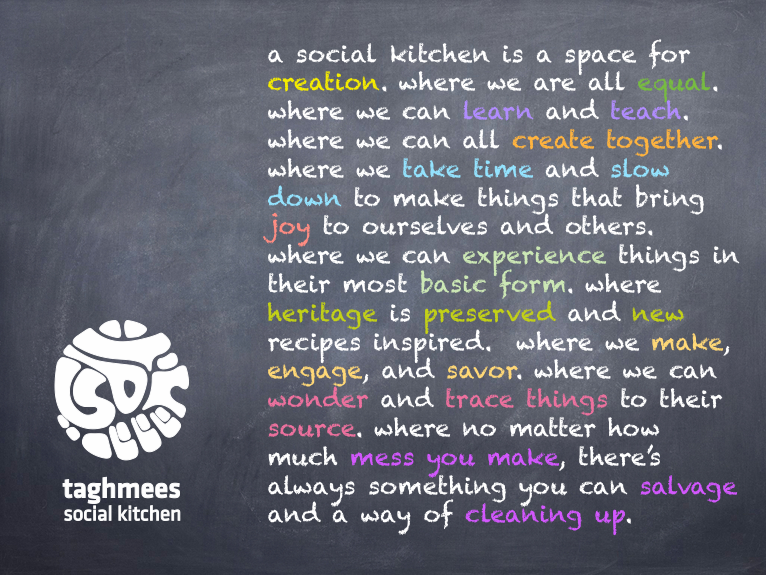
what is a social kitchen?

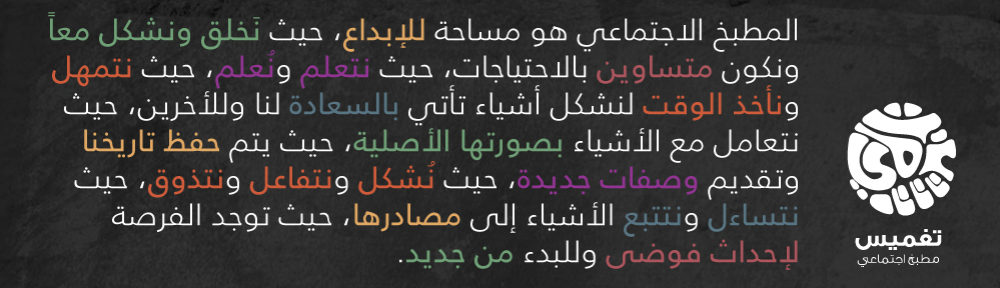
بعد أشهر من العمل لخلق مشروع للتفاعل بين افراد المجتمع على صورة مطبخ اجتماعي مازال السؤال المحير” ما الذي تريدون عمله؟” يتم طرحه علينا بشكل دائم. لنكون صريحين هو سؤال له ابعاد كثيرة ويصبح ممتعا اكثر كلما تعمقنا به.

بعيدا عن النمط السائد، والمرتبط بالربح السريع والمبالغ فيه والمظاهر الإجتماعية، والتنميط والتفكير بالفرد والغاء الجماعة
وُلدت فكرة أقرب للتأني والتفكير واعطاء الوقت حقه واعادة التفاعل بين الأفراد.

فكرة تَجمَع أطياف المجتمع للتغميس في قضاياه وفي نفس الوقت تذوق بعض من الوجبات الشعبية القادمة من مطبخ البيت مباشرة.
تغميس لا يمثل اكل فقط، هو عبارة تجربة. وهو ليس مطعم بل مطبخ اجتماعي، حيث خبرات وقصص الجميع في الحياة مقدرة وحيث نقوم بالتساؤل في كل شئ يدخل الى اجسادنا وعقولنا.

المطبخ الاجتماعي مكون من خطة بسيطة، خطة تجمع الناس حول مائدة طعام شعبية للتغميس في وجبات موسمية وبسيطة لتكون وسيلة لجمع الناس حول قضايا اجتماعية تمس حياتنا اليومية، وايضا لتمويل برامج للتدريب لفئات المجتمع المختلفة وبالاخص المهمشة منها. هذه الخطة ستساعدنا على فهم ابعاد هذه القضايا عن طريق التعلم التشاركي، فالمشاركة في الغذاء والمعلومة هي وسيلتنا لكي نخلق المجتمع الذي نود الوصول اليه.

من نحن؟ نحن أشخاص نحب التعلم بطرقه الابداعية والبعيدة عن جدران المدرسة. نحن اشخاص كان لنا قصة نجاح في الحياة العملية ولكن غير مقتنعين اخلاقيا بمعايير هذا النجاح. نحن أشخاص نبحث عن شئ مميز وبسيط وغير معقد. نحن نسعى  لنكون أنفسنا ونتفاعل مع ذاتنا ومع الأخرين لأننا نؤمن بان لدينا القدرة جميعا لنكون في حال أفضل ويجب ان نكون كذلك.

في تغميس نحن لا نسعى للحصول على أي تمويل او منح خارجية. نحن نعي بان هذا التمويل يأتي على شكل قروض يتم دفعها لاحقا عن طريق رفع الضرائب على طبقات المجتمع التي تعاني. نطمح الى الحصول على الدعم من جميع من يرى الفائدة فيما نقدم ويقدر الروح التي نود خلقها لابقاء هذا المطبخ حي.

Months into working on a new model for community engagement in the form of a social kitchen, we still get the question, “So, what is it you’re trying to do exactly?”  It’s a great question.  One that gets more interesting the deeper you dip into it.

In a time when everything is artificial and manufactured, from our food to our interactions, we feel starved for something genuine, something real.  We’re searching for a reconnection to everything that nourishes us in body, mind, and spirit.  For us, that means people, food, and fabric, everything that stitches us together and makes us whole.  Taghmees is not merely about food; it’s about experience.  It is not a restaurant; it’s a kitchen – a social one.  We’re questioning everything that goes into our bodies and our minds, because we feel that our spirits are suffering because of it.

Schools and institutions have done the job well of limiting us to appreciate only one from of learning, shaping education into banks, where knowledge is deposited and unchallenged.  Where only those who have accounts are able to access credit to get ahead; and only to spend it in one form, to continue to compete to create more losers than winners, etching away at our humanity, leaving a wounded world to limp forward towards progress.

What we’re doing goes so much against our socially constructed “common sense”.  It almost feels like we have to remind ourselves of everyday by asking the familiar question, “what are we trying to do again?”  Our instincts have been honed over the course of recorded history, internalized to see the futility in any other way or logic outside of dominant (business) models.  These instincts keep turning us from our chosen path, battering against our determination and hope for something different.

But we see the truth of our miseducation in the path our compartmentalized knowledge has taken us as a species.  Unlike what some might claim, we do not believe that people are naturally flawed or hardwired for corruption.  This has merely become our conditioning, what has been modeled, what has been taught, that makes us so.  We are just very good learners, and this is what our reality has taught us.

With time and patience, we are trying to learn a new way, by reshaping our values, placing them first and our education second.  By practice, we seek to build new instincts and shape a more benevolent common sense.  Our learning must serve community, not self.  Our actions must be taken in context, not in a void.  We are relevant, but not alone.

Who are we?  We are people who love learning, but disliked school.  We are people who were successful professionally, but were ethically dissatisfied by set definitions of success.  We are people who are looking for something genuine, something simple, and uncomplicated.  We are looking to be ourselves, to engage with other selves, working to make each other better, because we can, and we should.

We’re not looking for donor funding or grants.  We recognize that these funds come in the form of loans, which are then paid off by increased taxes on a majority of already struggling people, who never asked for our help to begin with.  We’d like the support of those that see the benefit in what we offer and value the spirit we’re trying to create to help keep our kitchen alive.

http://beamman.com/on-the-street/people-/911-taghmees-social-kitchen-amman 

education for what?

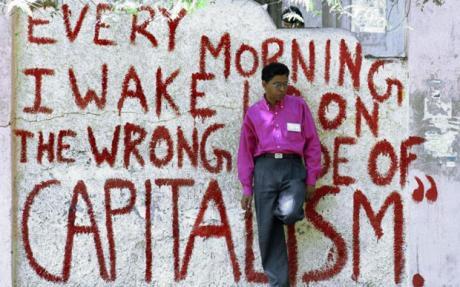
wrong side of capitalism

I’m wary of the term “education”, because of the historic use of education to enslave populations through systematic indoctrination. Education has been used strategically in the colonization of our minds as a means of erasing our identities and loosening traditional ties, and allowing us to accept the destruction of our social and ecological fabric.

Education still separates us economically, as knowledge becomes capitalized through the privatization of education. So only those who can afford high tuitions can access a private education, which then provides access to employment and greater material wealth.  But this access is limited to the wealthy or those who are allowed access to debt, which they spend the beginning of their lives (or the rest of it) paying off.

All the while, less resources are being allocated to public education, denying those on the bottom the means to struggle against their enslavement.  While also denying us traditional sources of knowledge, resources, crafts, and sustainable lifestyles. The cycle is vicious, and it is for us to learn how to use our minds beyond our education to find sustainable solutions for the pains of our world, outside of exclusion and limited access. This is a part of what shaped our thinking in the creation of taghmees, focusing on spreading shared learning outside of the boundaries of “education”.  Learning is all about heart:) and using your heart to understand the world outside of our normal frameworks.  Thank you for the space and opportunity to reflect.

encyclopedia of informal education

The encyclopedia of informal education, a great resource for exploring informal education, lifelong learning, social pedagogy and social action.  A great resource self-learners, educators, and critical thinkers.

http://www.infed.org/index.htm